


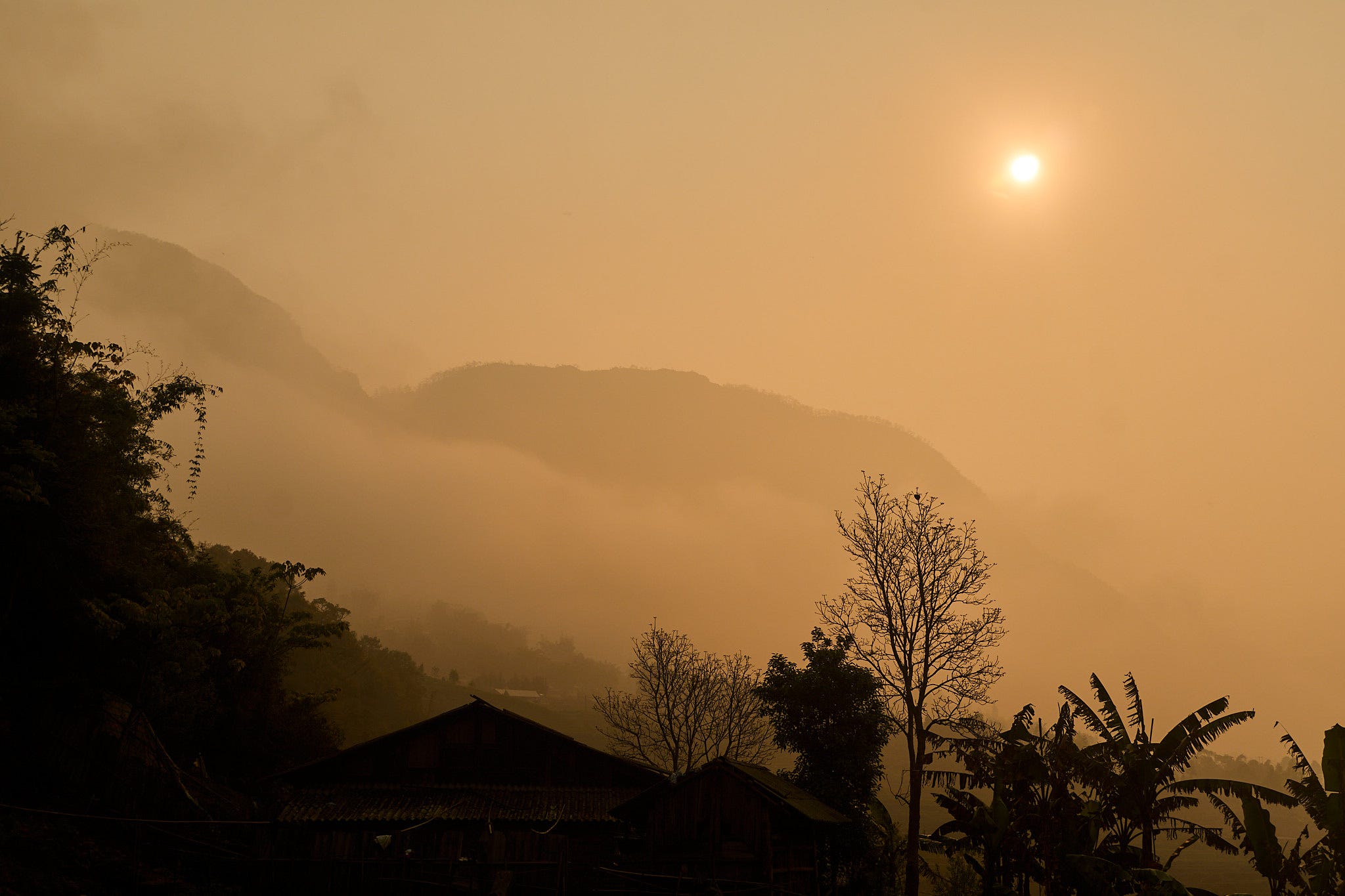
One of my readers emailed me about my recent trip to Vietnam with some questions. I thought I’d turn it into a Q+A for everyone. It’s a longer piece, but Vietnam earned it! Grab a coffee (make it a nice strong Vietnamese robusta if you can ;) I also encourage you to open this story up in your browser for better reading. Personally I find the final paragraphs the most important and for you to see all the photos. Enjoy and let me know what you think!
1. What was your first impression of Hanoi?
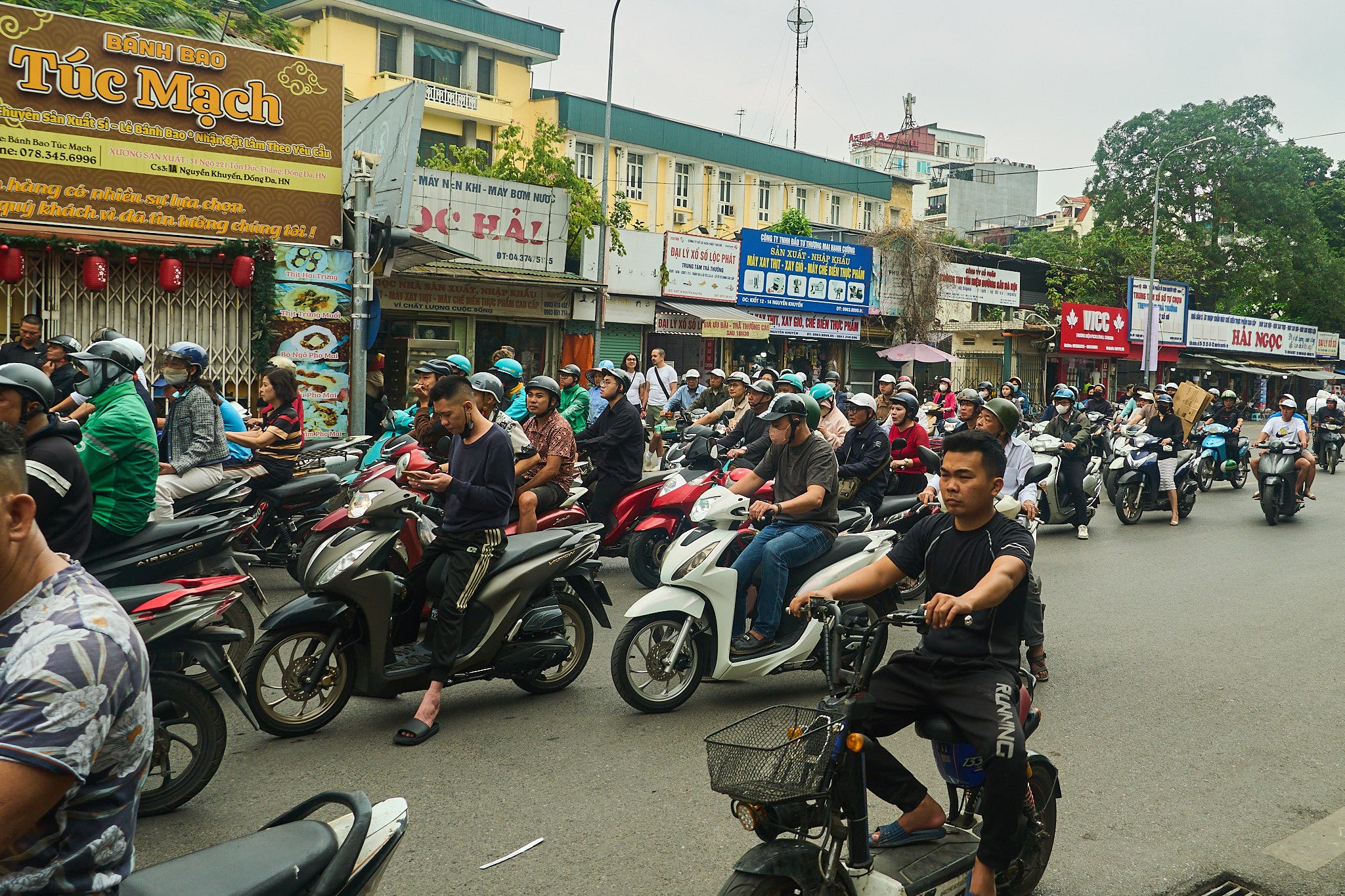
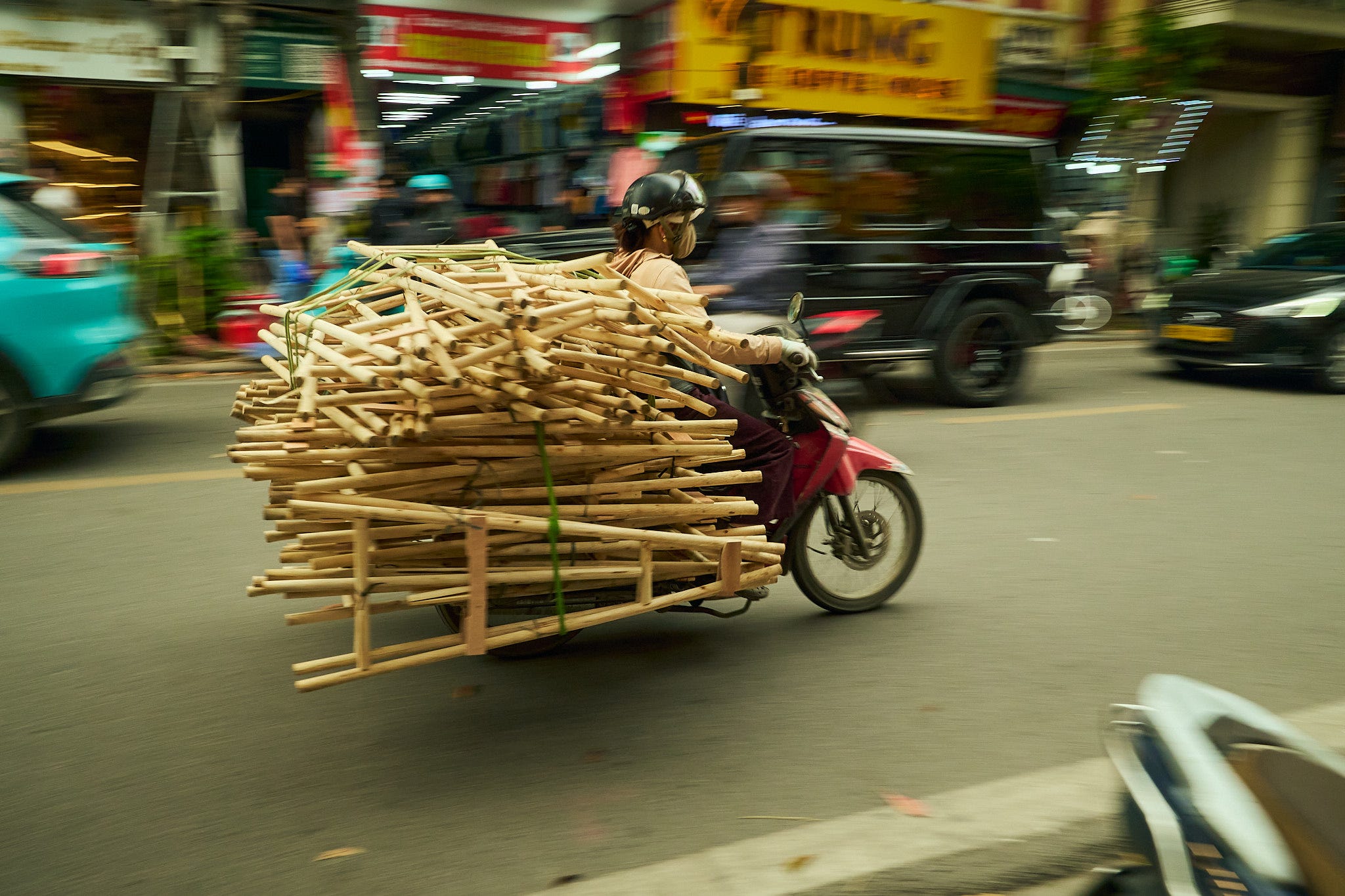
Crossing the street is heart attack inducing. Motorcycles carrying families, ovens, mirrors, whatever else they can strap on. I complain about not fitting things in my Jeep and these people strap it on a moped. Women in conical hats on bicycles full of colorful fruits. Cars honking, buses somehow navigating in the mix too. No lines on the road, no stop signs, no street lights, no crosswalks, no rules. Yet somehow, as a pedestrian, you have to cross the road.
My first morning I was already wrecked because I’d been up until 3:30am thanks to a single mosquito. I flipped on all the lights and went hunting until I threw a pillow at the ceiling and what was left was a red splatter. That’s when I remembered my dad gave me a head mosquito net as a joke right before the trip. I found it, put it on, and fell asleep smiling at how ridiculous I must have looked. Joke’s on me.
The next day I left the peace and quiet of my homestay tucked behind an alley next to a temple, and ventured out into the street. I looked down at Google Maps to the café I was trying to get to. Somehow, crossing two streets seemed insurmountable. I contemplated getting a taxi, then thought… how silly. It’s only two streets.
That’s when I spotted an elderly local couple walking in the same direction. I started following them and stayed a step behind. As we reached the first crossing they just kept going, straight into traffic. I stayed on their heels, brow sweating. The worst thing you can do is hesitate, so I walked straight into traffic too. Eyes fixed ahead. I could not look at the sea of motorcycles and cars around me. When I reached the other side my heart was racing at 180bpm. I looked around and the couple was gone.
Perhaps my memory of crossing the second street got wiped or maybe its because I closed my eyes while crossing because its the only way I felt I could do it… because the next thing I remember was slouching in a chair at a café drinking an ice cold blended coconut coffee to calm my beating heart. I’d only crossed two streets. How was I to explore this whole damn city? Not to mention my eyes burned red from the pollution and cooking smoke in the streets. I had no plans for the rest of the day and sat there for a while trying to figure out what to do next.
Turns out this shock is just initiation. After crossing a couple of streets, you’re overcome by inexplicable boldness. Like you are indestructible. You get a pep in your step when you see other tourists on their first days, panicking just like you were a couple hours before. You show em how it’s done.
But really, the drivers and cyclists are the ones to commend. They flow like a river flows around a rock.
2. What did you admire about the people and culture?
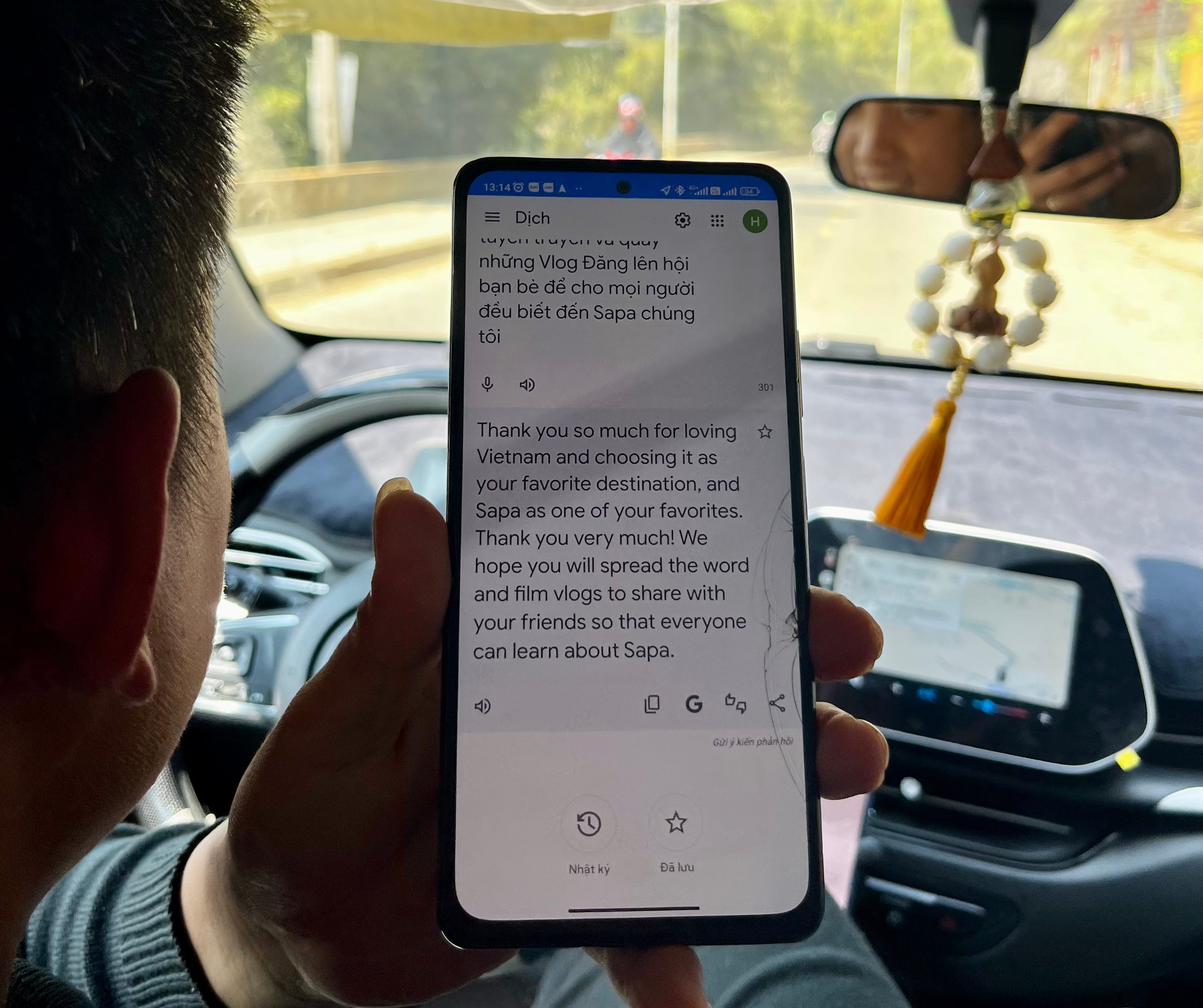
Genuine, kind, non-performative, resilient, creative. Those words all come to mind. Locals were not trying to impress us foreigners or change their customs and habits for our benefit. Very few came up to us selling souvenirs in our faces or trying to reel us into a tourist trap. Walking down the street they'd either smile and say hello or ignore us, and continue with whatever they were up to.
We had only positive interactions (well except the “domestic iguana” guy) and made wonderful connections with locals and other foreigners alike. From drivers going above and beyond for us, to hotel staff, and strangers in the street. People smiled and made us feel welcome and right at home.
We intentionally skipped overcrowded spots like Ha Long Bay, that while beautiful, we heard it had turned into an empire of luxury cruises, polluted waters, and too many selfie sticks to enjoy the views. We opted instead for lesser known Trang An and Tam Coc in Ninh Binh, which gave us incredible scenery with less crowds. I believe traveling isn’t about going to all the “must see” places, but rather place more value on connecting with people you meet along the way. Those conversations and insights live a lot longer in my mind. Not to say we didn’t go to insanely beautiful places, we just made the effort to go a bit more off the beaten path.
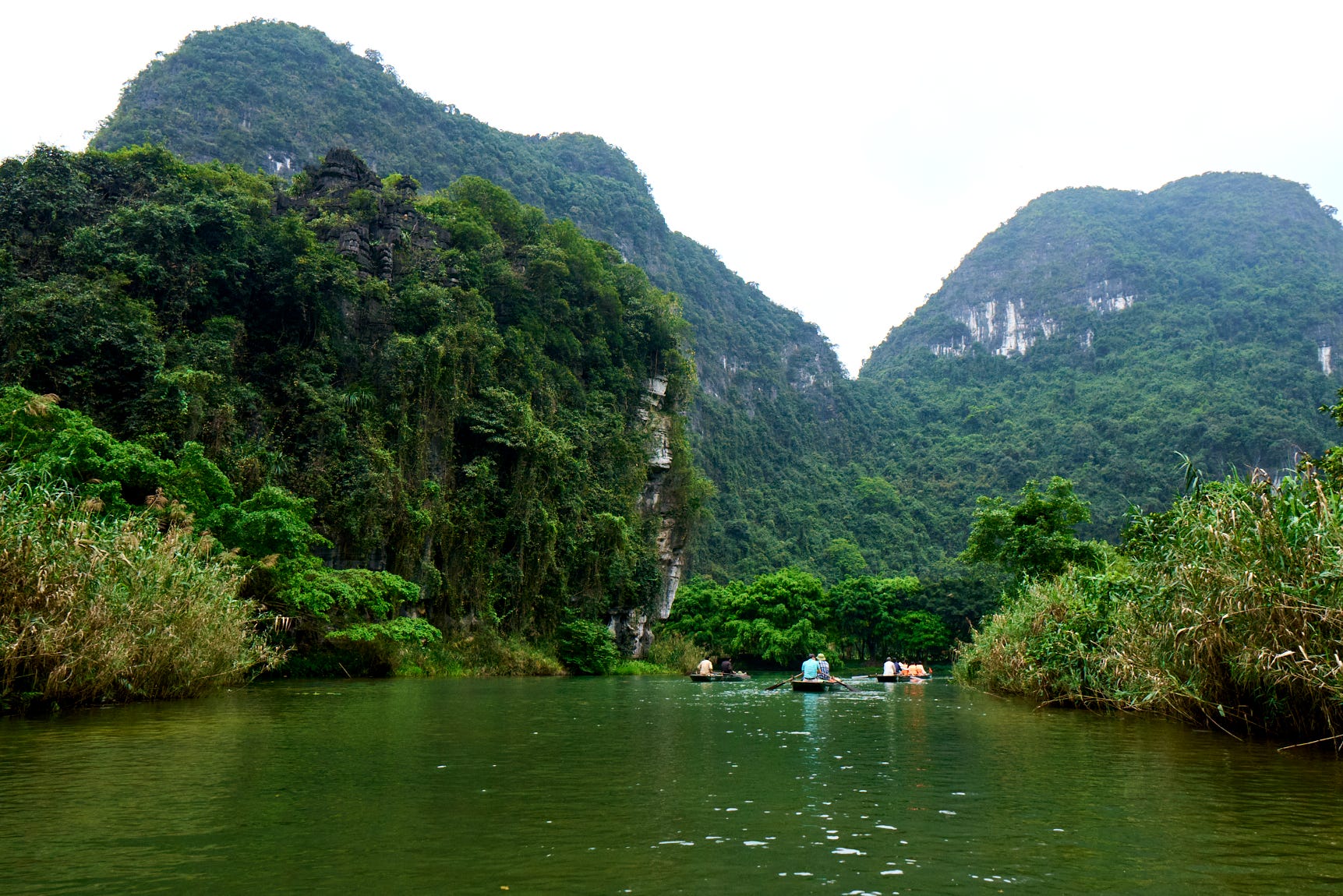
I spent a few days in Hanoi alone before my family arrived, staying at a homestay with a local family. I ended up booking a walking tour where I met Chantal, a Swiss traveler. We got along instantly. That morning I’d nearly had a panic attack crossing the street alone, dreading what I’d do with the rest of the day. All it took was showing up to a tour and suddenly I had a friend. We spent the rest of that day and the next exploring the city confidently on foot. At one point we found ourselves in a part of the city no tourists ever see, a sprawling wholesale market where sellers source their fruits, animals, and supplies. Chaotic, slightly grimy, and completely fascinating. The behind the scenes of everything we'd been eating and buying.
When my family arrived we stayed at a hotel and befriended the concierge staff. While other guests kept to themselves, we chitchatted with them every chance we got. By the end, one of the women bought us all little keychains as a goodbye present.
We also met Kim, a local banh mi street food vendor who spoke excellent self-taught English. We sat on tiny stools in her kitchen laughing and talking. The kitchen was the ground floor of her house, one of Hanoi’s famous long, narrow, tall buildings where each family relative gets a floor. Behind us her elderly mother could be seen praying in a cloud of incense next to the family altar. Kim’s sister-in-law had the other half of the kitchen where she made smoothies and sold cigarettes and snacks.
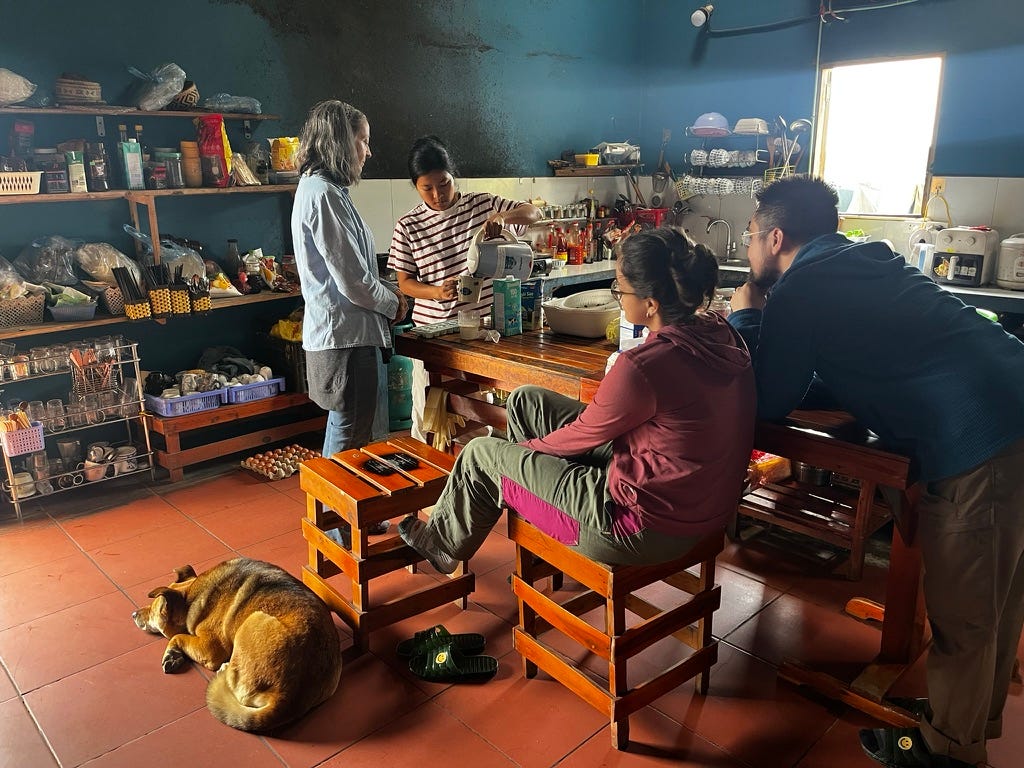
In Sapa it was the same. We befriended the hotel manager in the mountains and chatted with her for hours sunbathing on a rock. By day three we had brought the ruckus to her kitchen, where she showed us how to make coconut and salted coffees. We ended up playing pranks on each other and laughing a lot.
Our Hmong trekking guide, Pan, was sweet and funny. She’s 30 with 14-year-old twins. Hmong people marry young, and it’s common for the women to become trekking guides, so Pan walks miles every day showing visitors the rice terraces and mountains. Her English was excellent and self-taught from years of being around tourists. She has never been to Hanoi or anywhere else. She has never left Sapa. She doesn’t know how to drive and she walks everywhere.
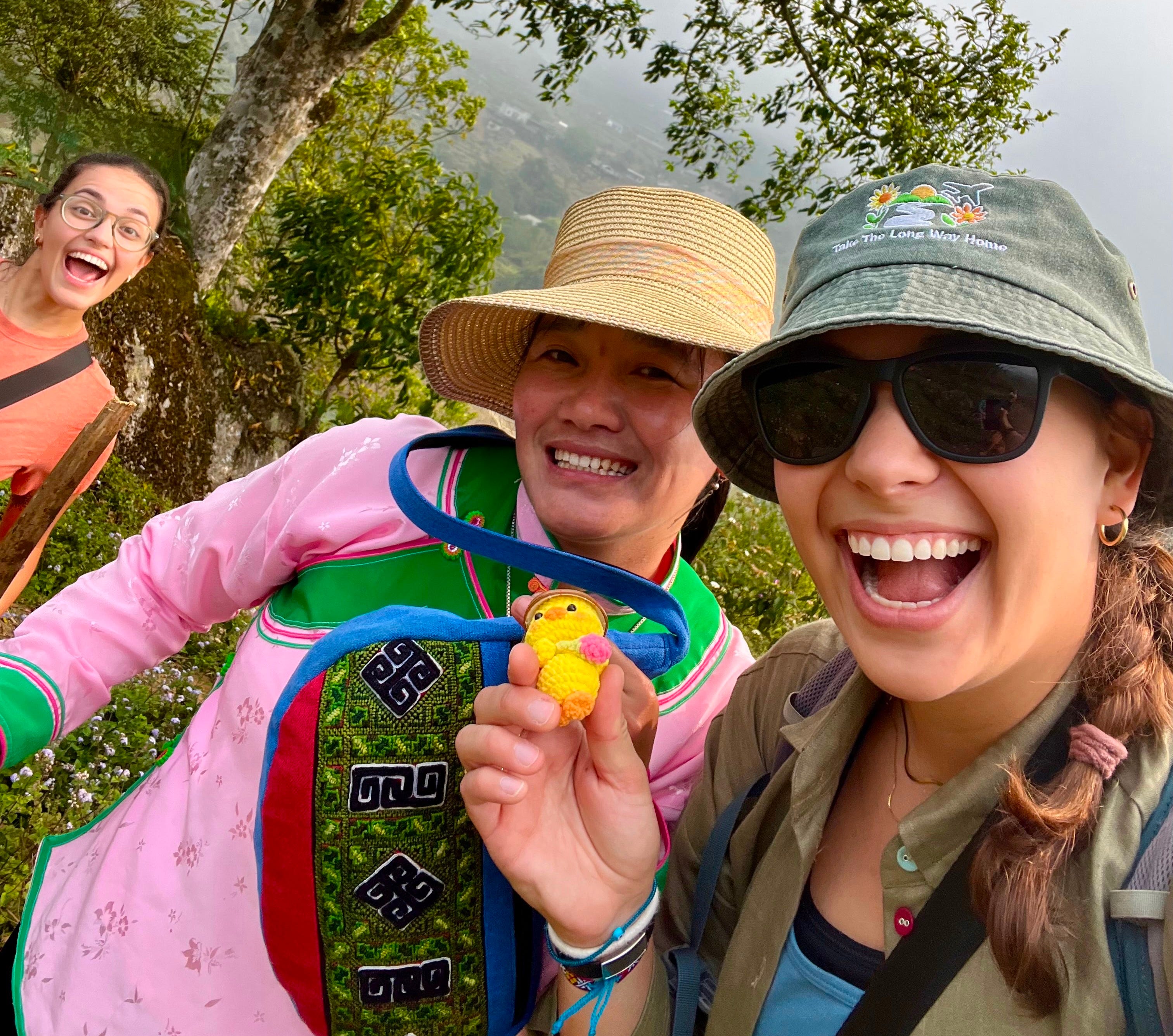
That left an imprint on me. In just 4 days I’d gone from Austin to Taipei to Hanoi to Sapa. I’ve been to 25 countries and countless cities. Pan has never left her hometown, yet she meets people from every walk of life who come to her. It reminded me of Morocco, where my friend Reem and I wandered into a local village and found kids who had never met a foreigner despite living near a hotel with hundreds of visitors. (we recorded an audio story about that here you can listen to.). The visitors just never thought to leave the hotel.
As we hiked, Pan saw I had a keychain duck with a conical hat and she said it was really cute. I took it off my backpack and clipped it to hers as a gift. She was overjoyed! Those keychains were everywhere in Hanoi. I thought it was only fair for her to have one. A little souvenir of her own country. As we got on the sleeper train leaving Sapa the next day going back to Hanoi, I thought of Pan. I hope she gets to see other parts of her country one day.
3. Did anything make you uncomfortable?
As a solo female traveler, I’ve been in my fair share of uncomfortable situations. But in Vietnam I never felt unsafe. I’ve felt more uncomfortable in my own country. There was no unwanted gaze, no cat-calling, no sketchy streets or people.
So besides the initial shock of crossing the street, the only thing that made me queasy was the selling and consumption of dog meat.
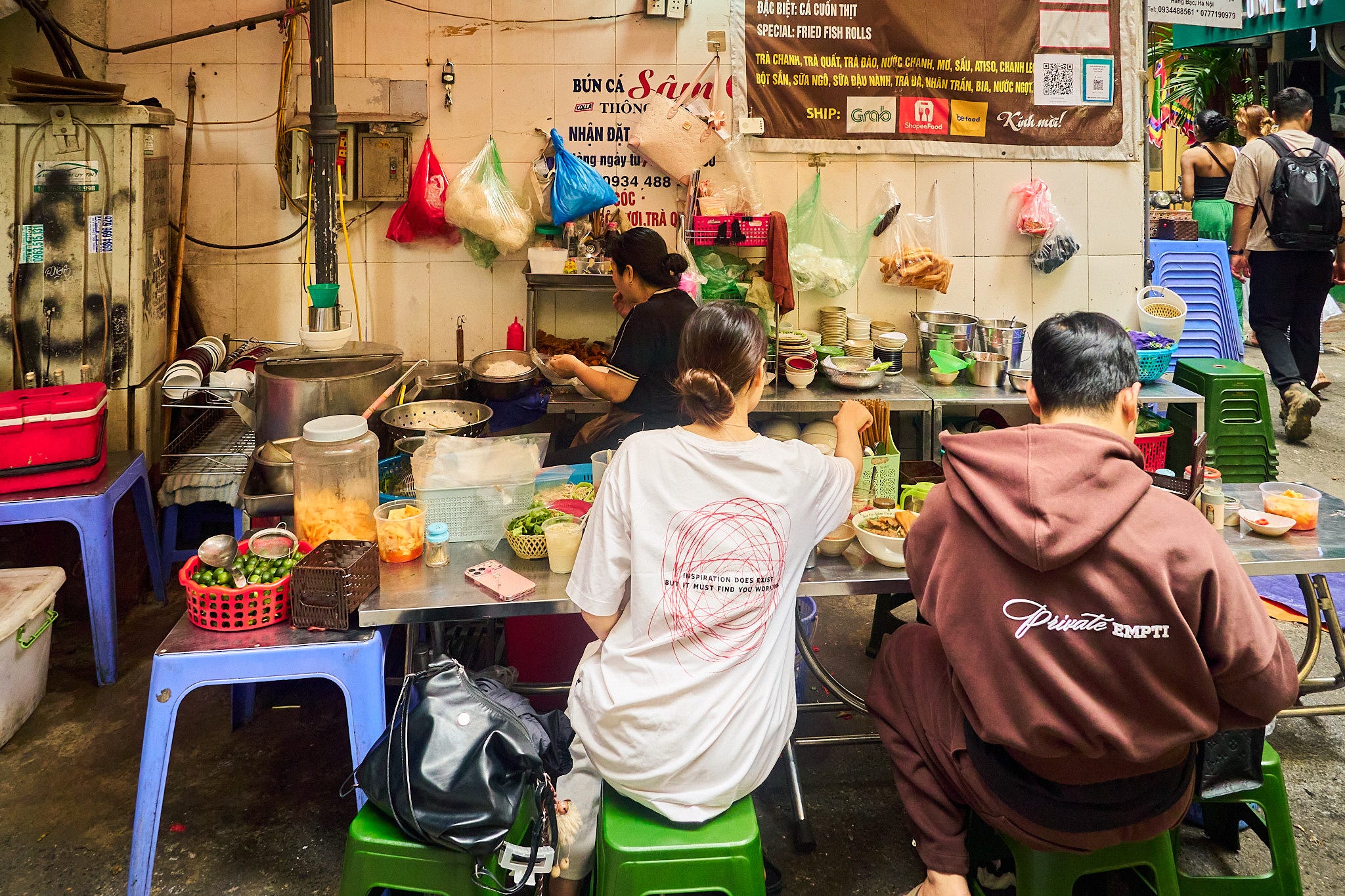
On my first day in Hanoi I was photographing everything. Cafés, food vendors, interesting shops. I snapped a photo of the street opposite me and didn’t think twice to look closely at it.
The next day on a walking tour of the old quarter, our guide brought it up herself. Our whole group made faces but she didn’t flinch. She said we’d likely see those meats being sold around the city, and that traveling is about witnessing, not judging. “Look but don’t judge,” she repeated.
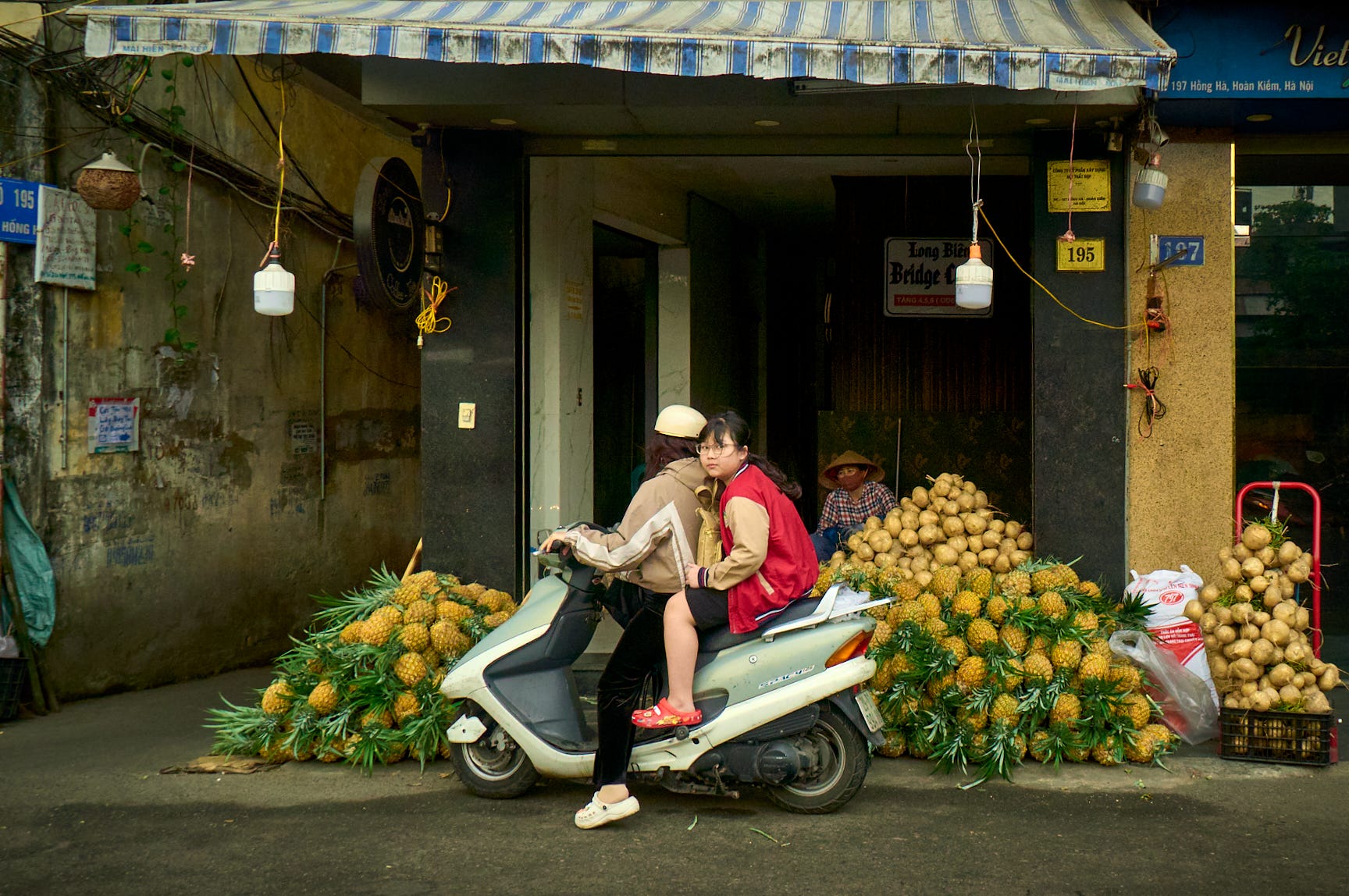
She explained it’s largely cultural and tied to superstition (some believe eating dog meat can chase away bad luck), but that we shouldn’t worry, it is not given to tourists. She also mentioned the younger generations are moving away from it entirely.
As a vegetarian I started avoiding looking too closely at food vendors after that. Then last week, back home editing photos, I found that picture from my first day. The one I’d never looked at. It was clearly a dog meat stall.
She was right though. It’s not respectful for foreigners to go around making faces and gagging noises at a dog meat vendor. Horse meat is eaten in France, cows are sacred in India. The line between “pet” and “food” is largely cultural conditioning and not objective ethics. As a vegetarian I choose to abstain from all of it. But traveling has a way of reminding you that it costs us nothing to be respectful.
4. Did the war history affect how you felt being there?
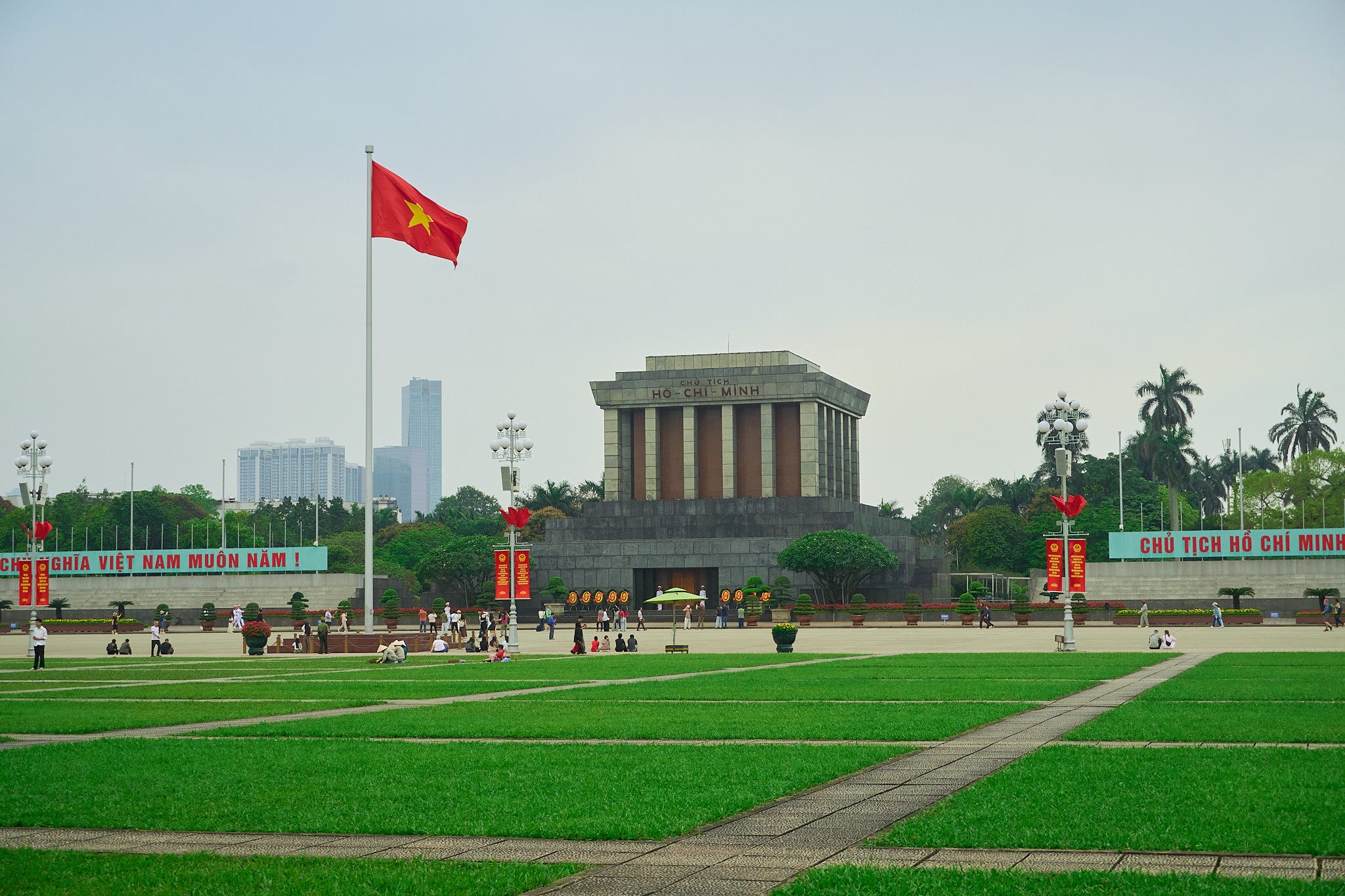
I believe without understanding the history of a place, it is difficult to fully make the most of it in the present. Vietnam is no exception.
I remember reading Fallen Angels, a novel about the Vietnam war, as a fifteen year-old in public high school in Florida. We had discussions around the senselessness of war. About how we dehumanize the enemy. About how that is a survival mechanism. About how wars become money engines. About how lives are wasted and deaths are in vain.
I remember reading about the jungles and bamboo stick traps. The hidden grenades, extreme heat, and rice paddies with nowhere to hide. The suffocation and relentlessness. The name-calling. The political cartoons.
This all struck really close to home because of the current senseless wars happening today. Vietnamese people know the brutalities of war and the human cost.
Vietnam has a history of resisting and of fighting for their own land. They have had too many others want a slice of them: China, The Mongols, Japan, France, The United States. Each one convinced they had a reason. Each one eventually pushed out.
While my personal beliefs are not fully aligned with Vietnam politically, I respect what they’ve built. Walking through the government district I was reminded of Cuba. The luxury communist party buildings that seem oddly out of place. The fancy embassy buildings, and huge Ho Chi Minh mausoleum. Communist party flags everywhere.
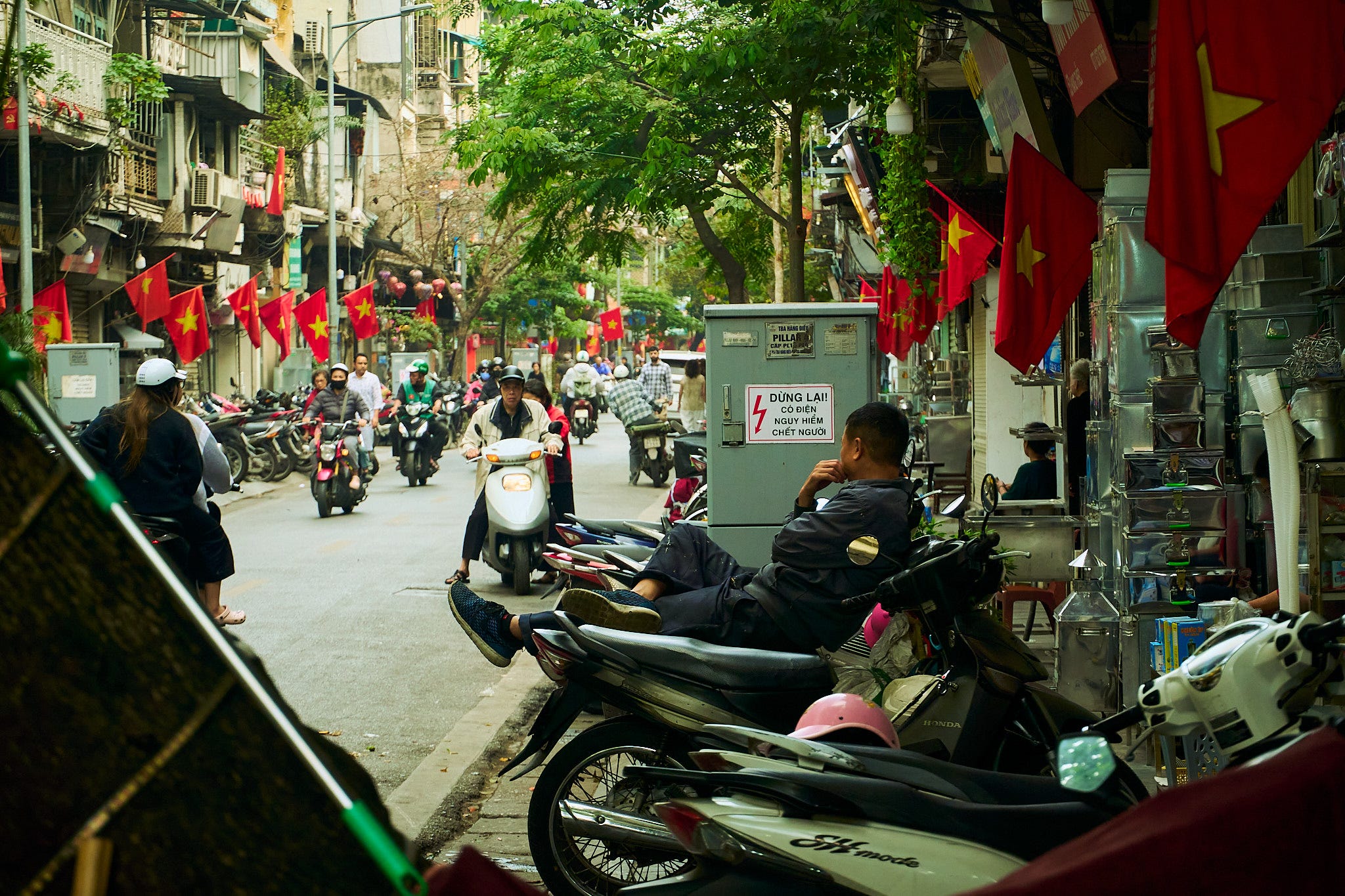
But here’s where Vietnam and Cuba part ways: in Vietnam, businesses can be privately owned. Healthcare and education sit with the government or are mixed, but entrepreneurship is open. That distinction, from what I’ve seen in both countries, is everything. It’s also worth noting that Cuba has been under US sanctions for decades, which makes any fair comparison between the two difficult. Vietnam’s economy is growing fast, its manufacturing is booming, and its culture is spreading globally. I may not agree with the politics, but what they are doing seems to be working for them.
I also happened to be in Hanoi on Election Day. There is only one party, the Communist Party, so people aren’t choosing between parties, they are choosing people within it. Little red flags with the communist symbol were strong on every street, tree, and building. All day long, the street lamps, which have speakers built into them, played songs and announcements. It felt a bit eerie to me, like choreographed patriotism.
People showed up to vote dressed in their nicest clothes, a lot of them in red, and mostly women. My homestay host told me that one family member can vote on behalf of the whole household. For example his mom went and cast everyone's ballot. He also said many younger people don't bother participating because they're content with how things are and don't feel the need to get involved.
We also visited the lake where John McCain’s plane was shot down. There is a statue of him there with fresh flowers. Our guide showed it to us matter of factly. I was the only American in the group and the others seemed confused about who McCain was. The explanation given was that he was shot down and rescued by locals, then taken to Hỏa Lò Prison (nicknamed the Hanoi Hilton by American POWs). There was no mention of the years of torture that came after.
The guide went on to say that the US bombed hospitals in Hanoi. I researched after and it’s true. In December 1972, over 100 American bombs struck Bach Mai Hospital, killing staff and patients after US military claims that it housed anti-aircraft positions.
Standing there I thought about how differently history is told depending on which side of it you’re on. What gets omitted and what gets told. And how some things don’t seem to change. War and truth and justice… it’s almost like none are compatible. It’s 2026 and the same story repeats itself in other parts of the world.
5. How was the food as a vegetarian?
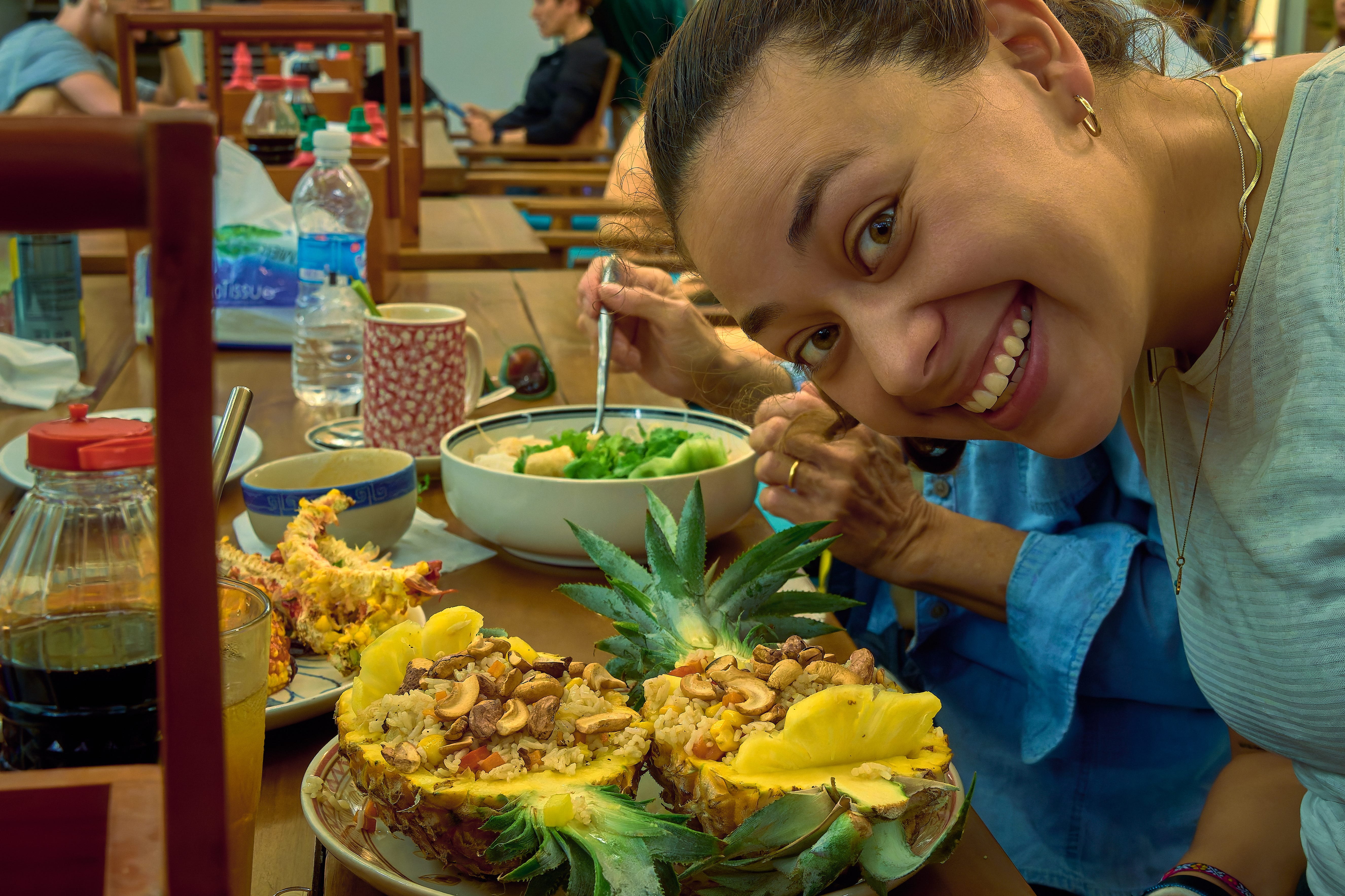
This year marks one decade as a vegetarian, so with every trip I'm always on the lookout for veggie-friendly options, which is easier in some countries than others. Vietnam turned out to be quite veggie friendly, although I don't think I can look at fried rice or banh mi for another six months.
As a family we try to eat in as many local spots as possible and avoid overly touristy places where the prices alone tell you locals don’t eat there. That said, we didn’t always feel up for the full street kitchen experience (we watched someone cut a cucumber directly on the pavement, so we kept walking).
Thanks to Google Maps we found plenty of local and authentic food. We knew we’d found the right place when locals and tourists were eating side by side. Think bun cha, pho, fried rice, noodles, banh mi, more banh mi, more fried rice.
My two new favorite things to drink: Vietnamese white coffee and calamansi iced lemonade.
6. How was the climate?
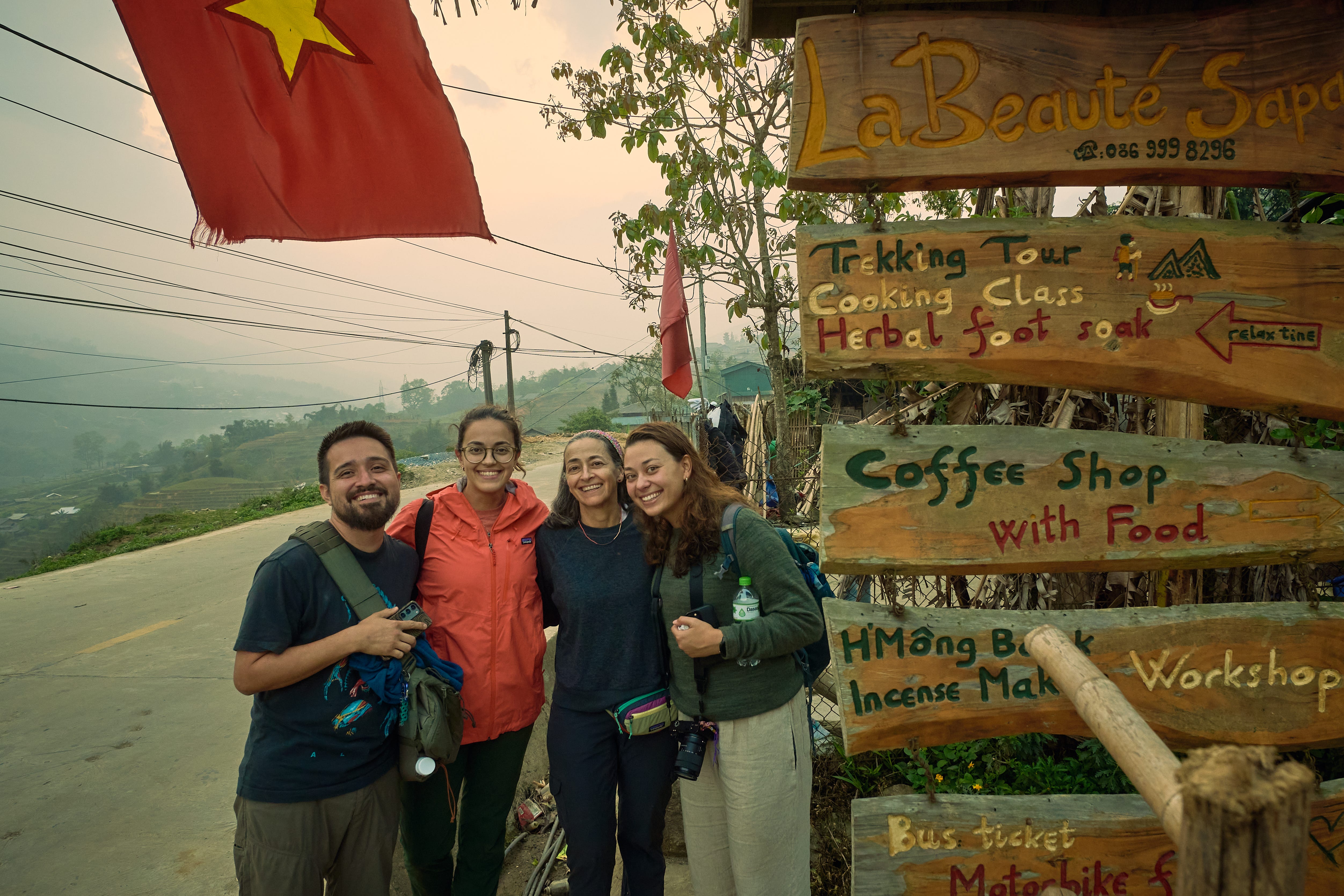
We got lucky. Not a drop of rain and not a degree over 80°F (about 27°C)in the entire trip. (Well, the only rain happened while I was getting a massage when by the time I got out, it had cleared up!)
Vietnam is not a forgiving place when it comes to climate. In summer the 100% humidity pushes it to a feels-like 115°F (46°C) in Hanoi. Streets are small, crowded, and buildings don’t have good ventilation. Plus with all the cooking that happens on the street, the temperature must feel like standing inside an oven.
My homestay host said that normally in March it’s already so humid the walls and floors of his house are dripping with condensation and he has to constantly mop. We somehow dodged that and had a comfortable 75–80°F the whole time. The week after we left temperatures soared to 100°F (about 38°C).
Up in Sapa it was a different story. It was cool and breezy so we wore sweatshirts and long pants in the early hours of the day. Though once we hit the rice terraces the sun was strong enough that even the water buffalo were rolling in mud pools to cool down.
7. What surprised you most about Vietnam?
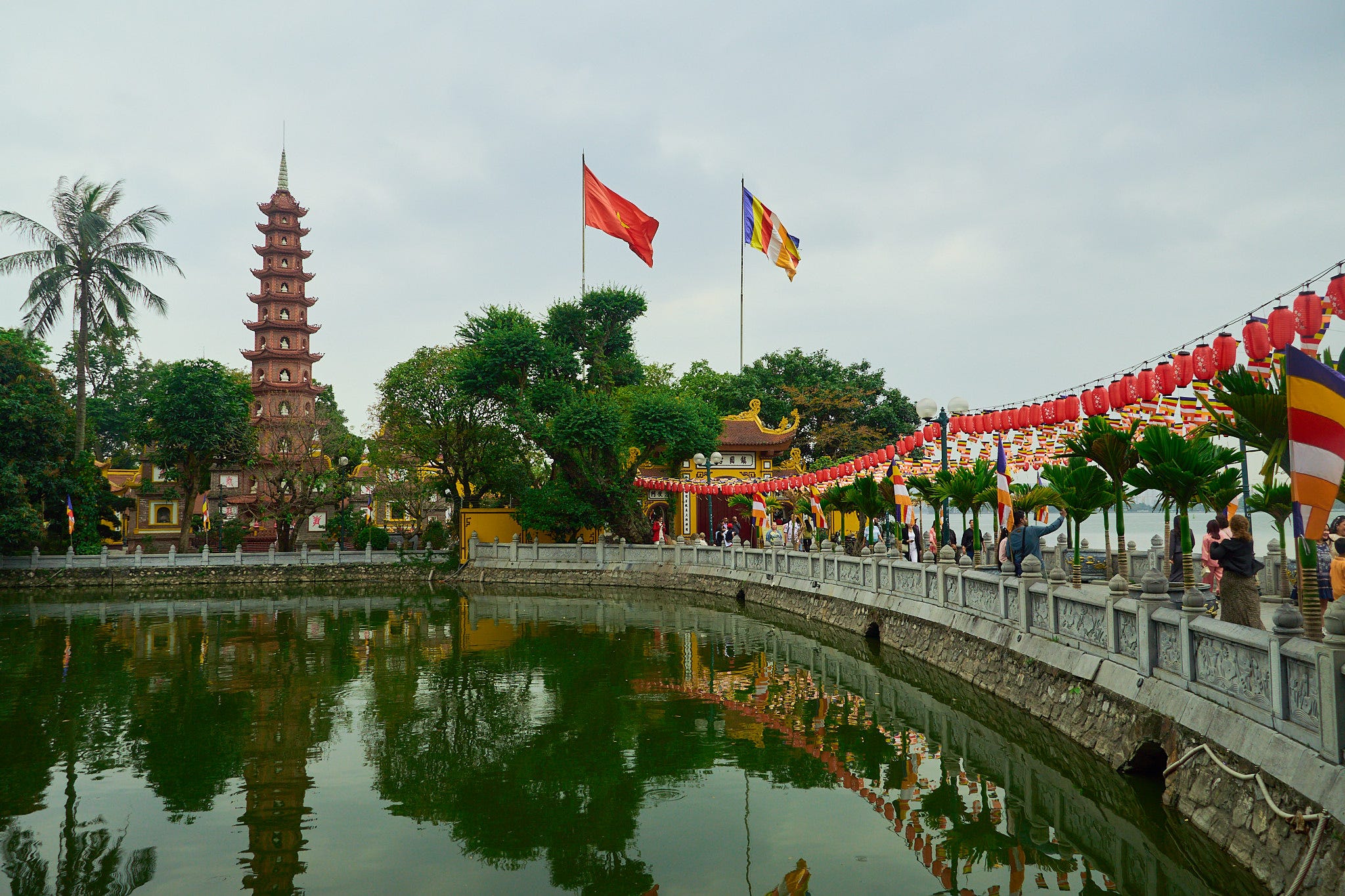
We have a habit of bucketing entire countries into one category. One culture, one people, one identity. But countries and borders are arbitrary and the reality is almost always much bigger than that.
Vietnam has 54 ethnicities. The Viet are the majority, but the Hmong, Red Dao, Tai, and dozens of others each have their own languages, traditions, religions, and even completely different facial complexions. We only stayed in the North and could already see this clearly.
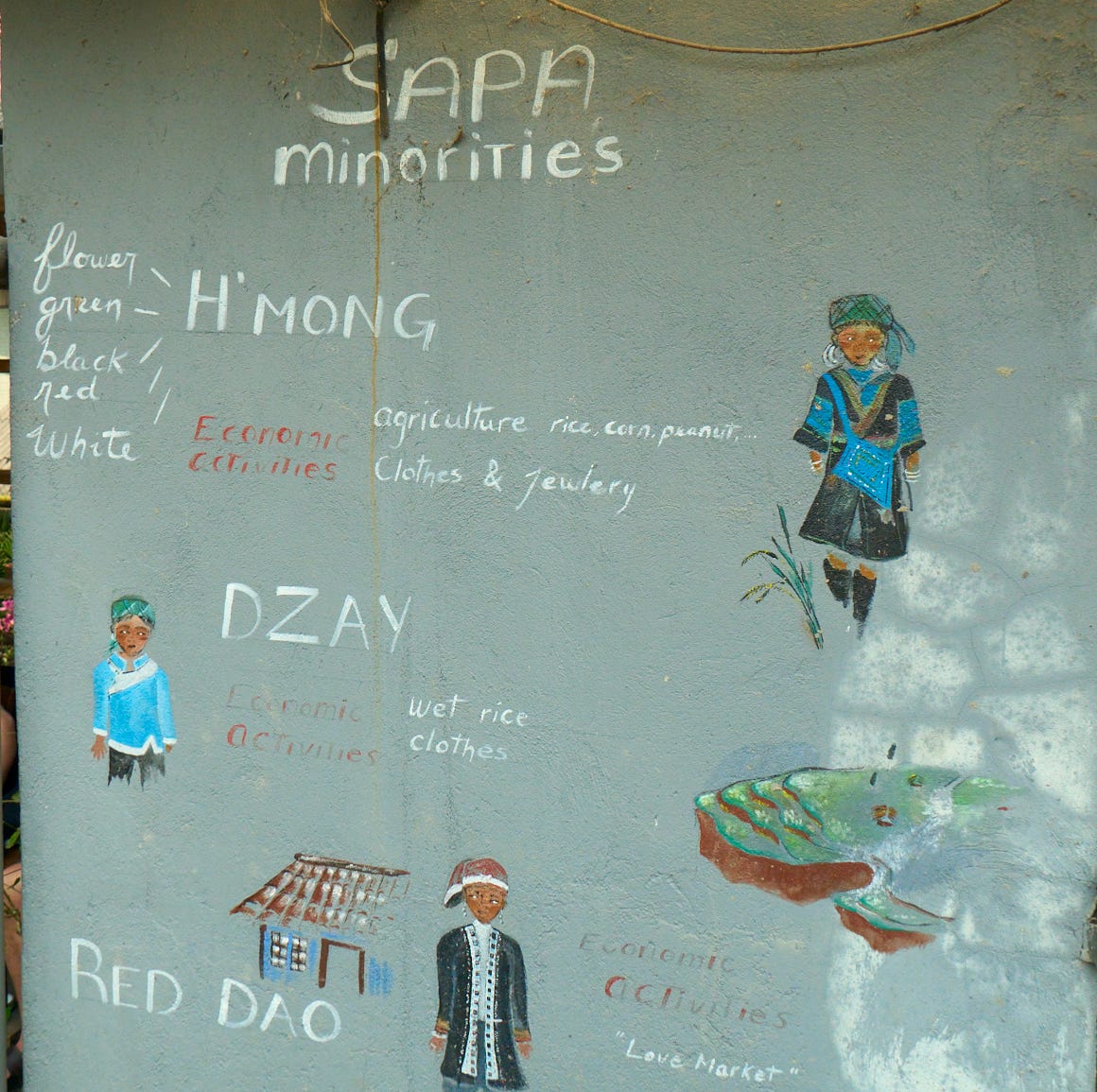
What blew me away was watching our Hmong guide Pan communicate in Vietnamese with Tai and Red Dao guides we passed on the trail. None of them share a native language. Vietnamese becomes the bridge, not imposed, just practical. And yet each tribe still holds onto their own language, their own customs, their own religion. They figured out how to be unified without erasing each other.
Hanoi was full of Buddhist pagodas and folk religion temples, while in Sapa the Hmong people we met were Christian and Catholic. Our guide in Hanoi also told us that around 80% of Vietnamese people don't identify with any official religion, yet nearly all of them practice folk religion. It reminded me of Morocco, where our Amazigh camel drivers had a very different relationship to religion than I expected and many weren’t religious at all.
Reflection
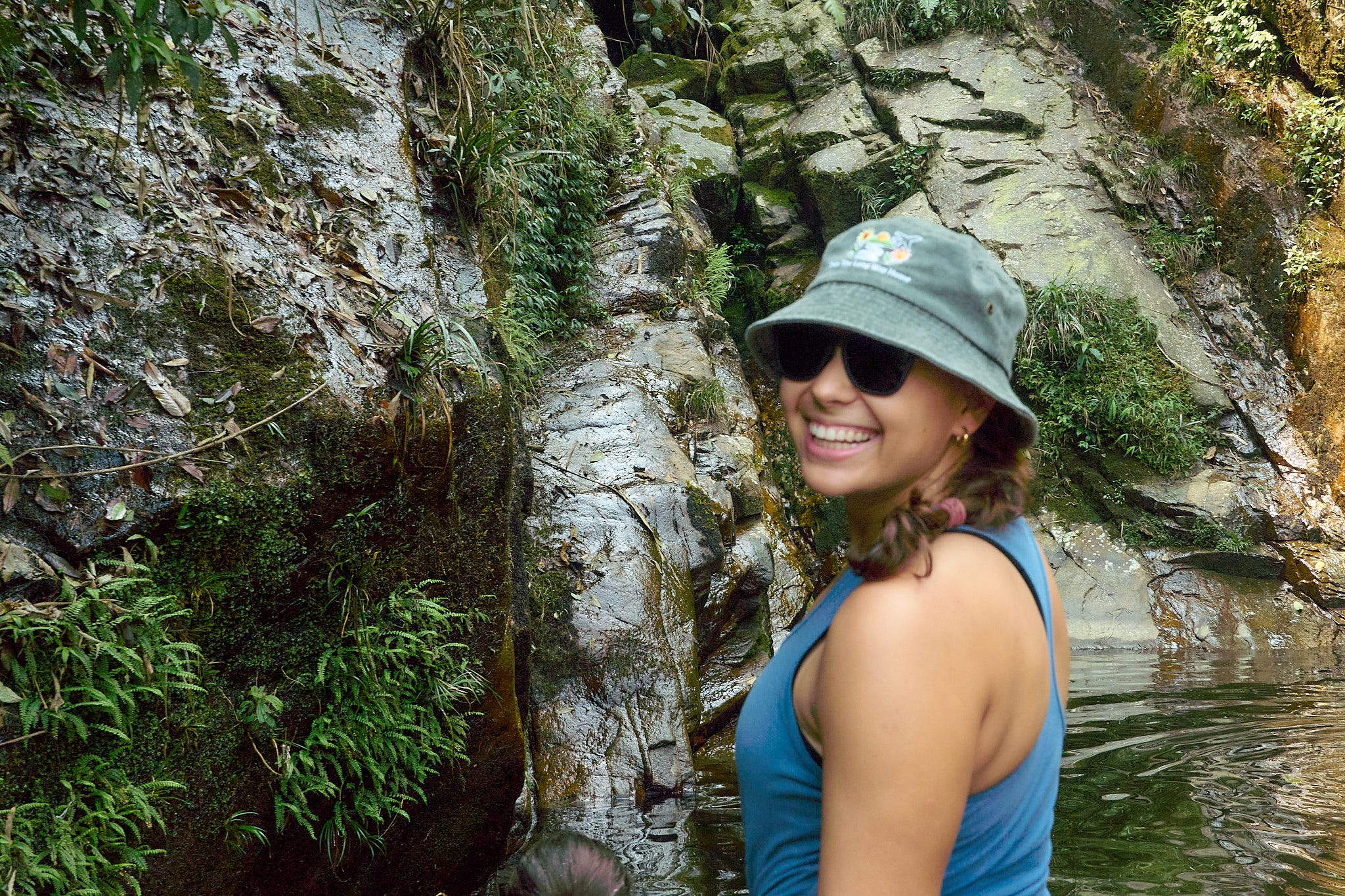
Travel gives us the opportunity to gain a fuller picture of the world directly from the source. Not from governments, media, or online videos, but straight from humans who share their emotions, stories, and lives. And it goes both ways. They have stereotypes about us too. I may be Colombian-American, but abroad I am often seen as American first. The image I leave behind is just as important as what I take with me. Every interaction is an exchange. Two people are left walking away knowing a little more than before and feeling a little more joy and a little more kindness. We may never see each other again, but we do make a different in once another’s lives. It’s about the warmth of human connection.
The urge to bucket an entire country, an entire people, into one category is the root of so many of our problems. In Vietnam, with all their struggles over the years, they have somehow created systems that allow each other to coexist and thrive.
Have other questions about the Vietnam trip or general questions about traveling? Leave them in the comments and in the future I can do another Q+A!
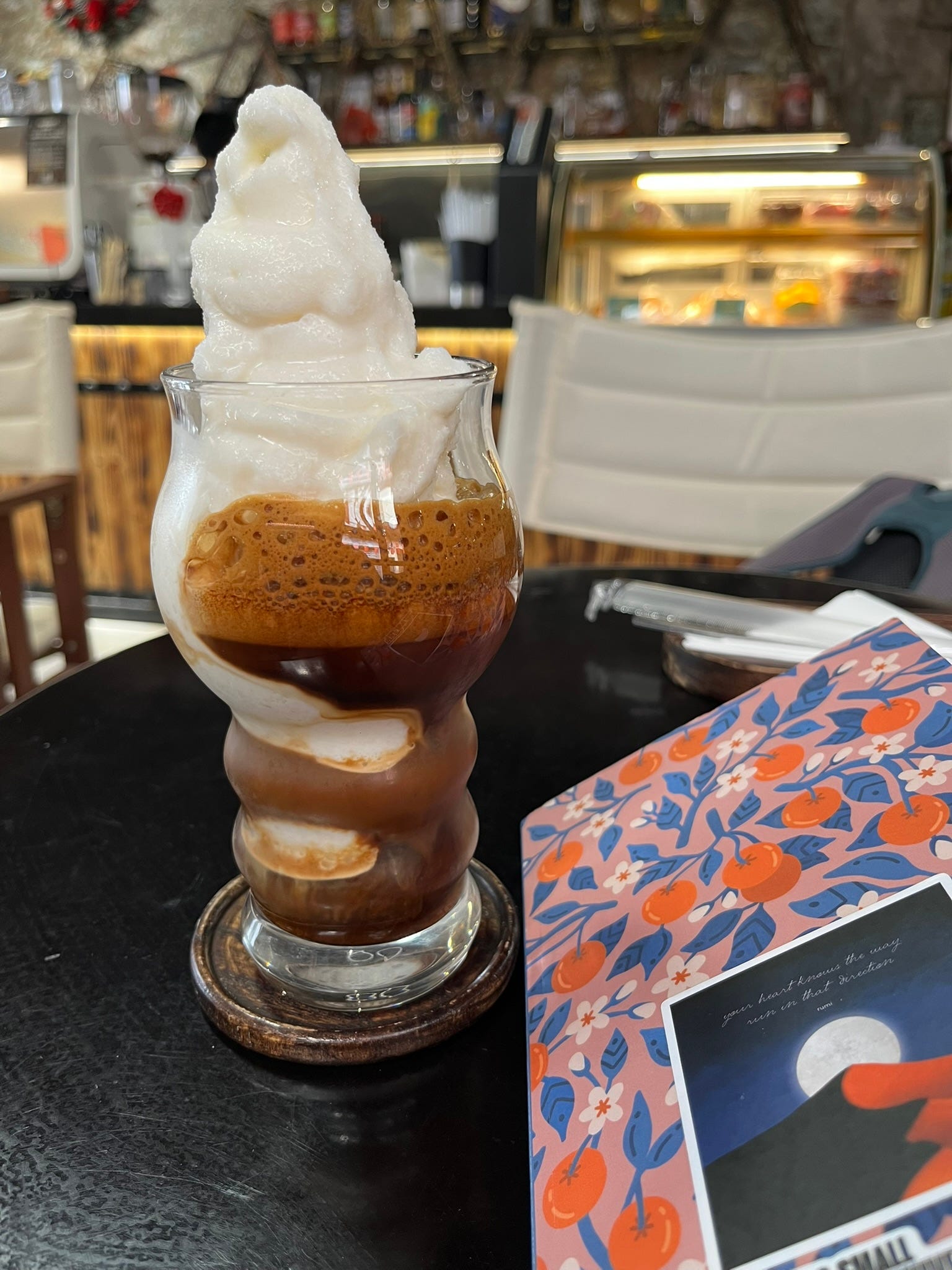
An important message from your piece is “…traveling is about witnessing, not judging. “Look but don’t judge…”. That applies to most, if not all, about life. Discern, but don’t judge. Wonderful, interesting, and informative. The pictures really added to your writing. How do you make the coconut coffee? Looks scrummy (scrumptious) as the Brits say. Also, the cold lemonade drink, what’s in that? You and your family attracted great people on your trip. Thanks for sharing.
Always sleep with earplugs. You can’t hear mosquitoes with earplugs in. 🙂