


Many of us in our 20s and 30s share two common questions: Where do we truly belong? And What is home?
We move cities, change careers, travel the world, meet countless people, amass thousands of online acquaintances, yet still feel lonely. Our workplaces are digital, we spend our days on screens, and attempt different curated meetup groups.
But as our identities stretch with new experiences, it’s often a challenge finding others who understand the versions of ourselves we are growing into. Building grounded community can still feel surprisingly difficult amongst a generation that is constantly on the move physically, culturally, and emotionally.
In this piece, I set out to explore belonging, home, and connection.
It Starts With Loneliness
Carl Jung said, “Loneliness does not come from having no people around you, but from being unable to communicate the things that seem important to you.”
The problem isn’t necessarily having few friends, it’s having people we feel safe sharing the things that matter to us in that moment. Life changes, and so do the topics we care about. What mattered five years ago might no longer be what shapes our days now. That’s why we can feel lonely even in a circle of friends: we may no longer share the same struggles, joys, or pursuits we all once did.
Five years ago most of my closest friendships revolved around endurance sports. I discovered a strong community of people surrounding those interests and went on to form some of my best friendships. But as my interests shifted, so did the time I spent with that community.
The more I started traveling, when I retuned home, I felt incredibly disconnected. It’s only now that I’ve realized our sense of connection evolves just as we do. It’s not about abandoning communities, but finding those that fill our soul with connection and interests we are seeking in the moment.
For instance when we move to a new place, it can be really difficult to make new friends. Three years ago I moved to Paris for the summer and didn’t know anyone. To make friends, I went to a run club and made instant friends. This year, I was in Paris again but this time, a friend invited me to a group called “Home: Third Culture Kids.” That’s where I learned there’s a whole category of people who share these feelings of confusion in belonging and long-winded answers to “where is home.”
Third Culture Kids
The concept called “Third Culture Kids” refers to people who grew up in a unique blend of cultural influences. It could be that their parents are of two different cultures, that they moved around a lot during their childhood, were born in one place but grew up in another, or have just traveled a lot throughout their lives.
Most of us who identify as Third Culture Kids (TCK), find it challenging to describe what “home” is. Mostly because we don’t feel fully one culture or identity. It could be we lived between countries, languages, or cultures. It means we have long answers to the question, “where are you from?”
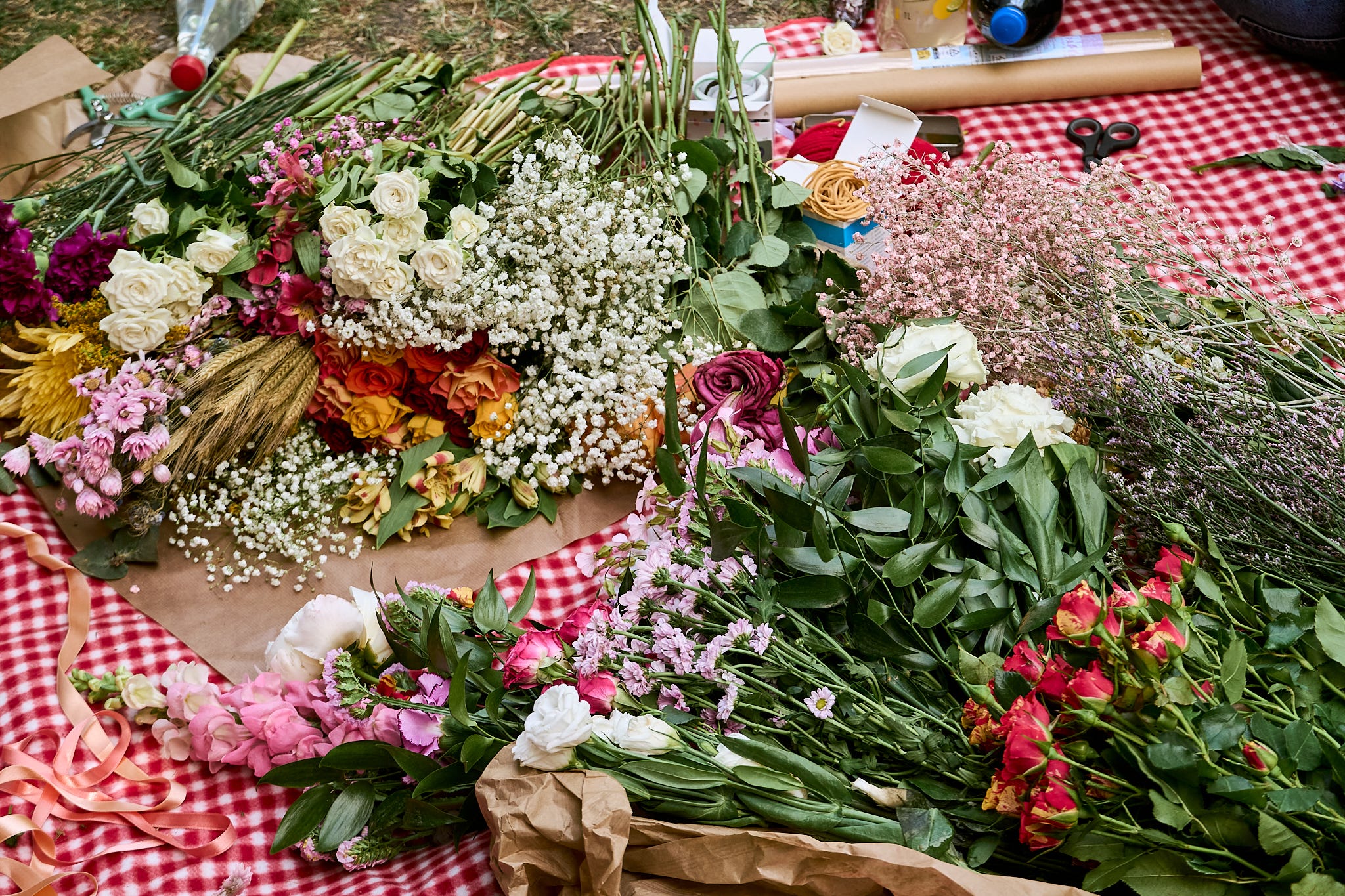
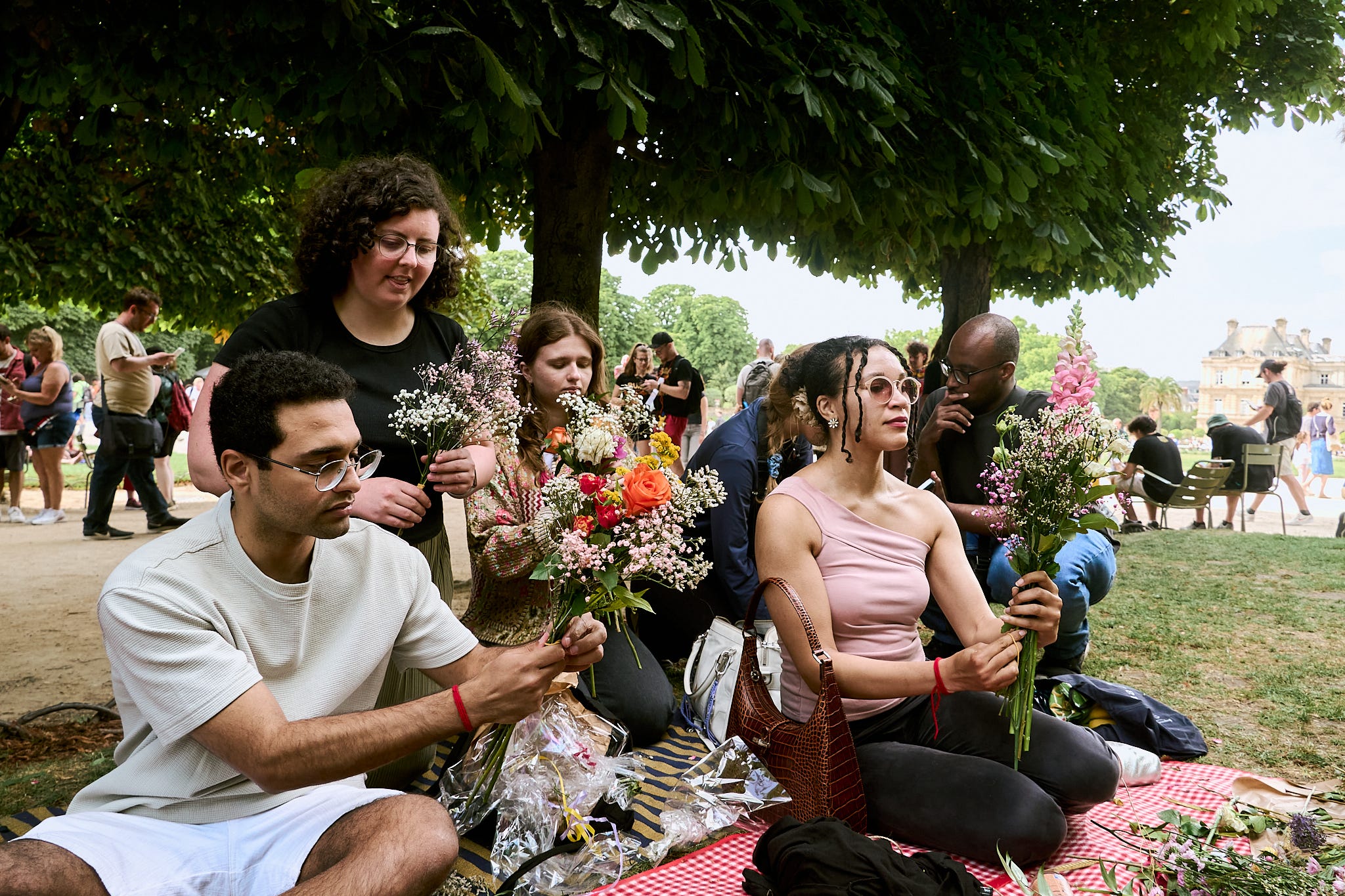
Our very first meetup was 50+ people making flower bouquets and having a picnic at Jardin du Luxembourg. Funny enough we all felt like miss-matched flower bouquets, full of colorful and mix-and-match cultures. It was fascinating to meet people with such vibrant, mixed backgrounds.
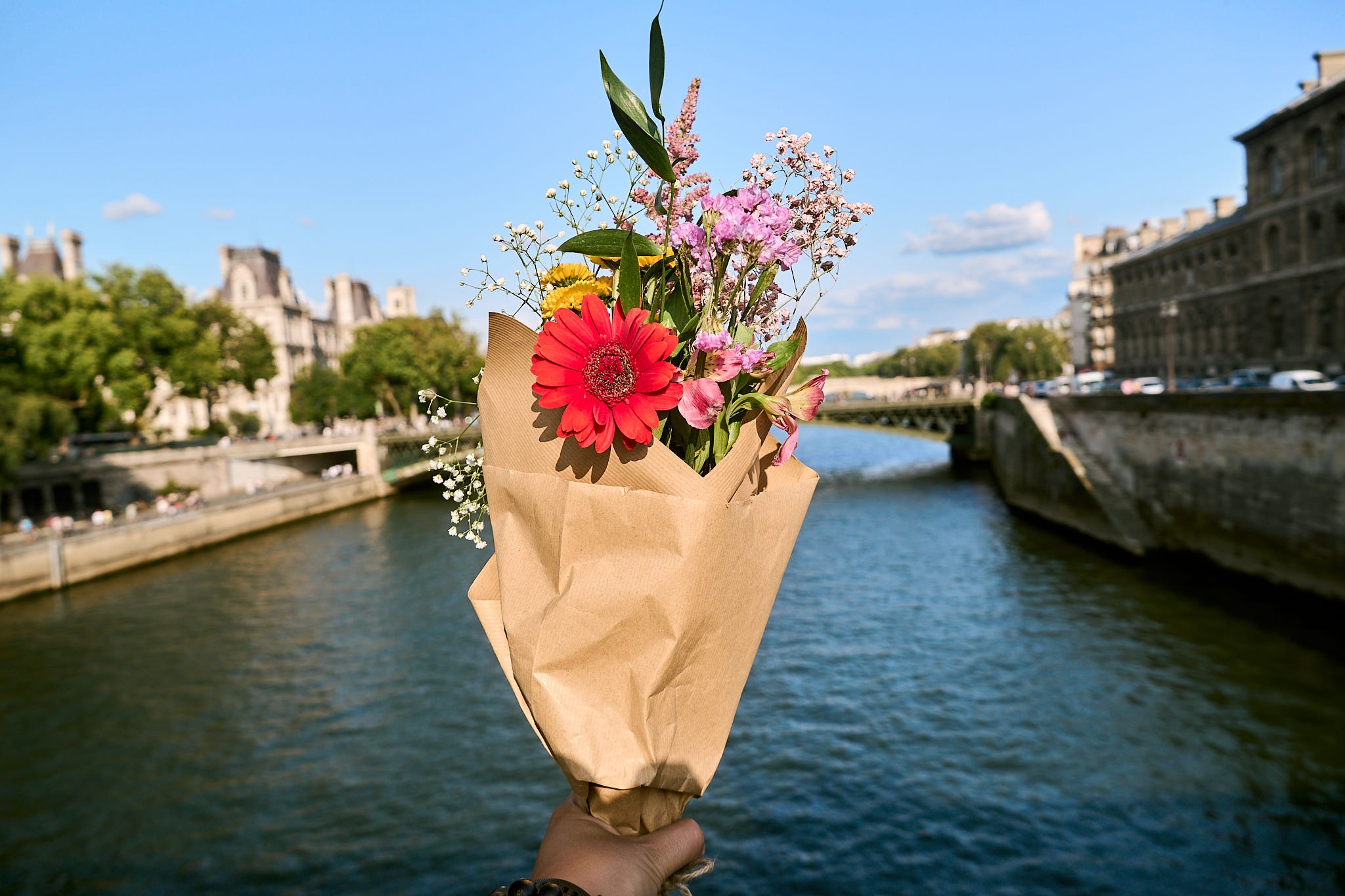
Many nomads also face a big struggle: returning “home.” Each time I returned to Austin, I found it harder to reconnect with old friends. Travel had added new layers and complexities to my identity. I craved Turkish simits, Arabic coffee, Japanese sake, and Australian Vegemite. I missed walkability and public transport. Austin suddenly felt small. The only people who understood these feelings were TCKs.
This year after returning from summer nomad travels, I decided to do something about it, and hosted the first Third Culture Club in Austin, Texas.
Starting Third Culture Club Austin
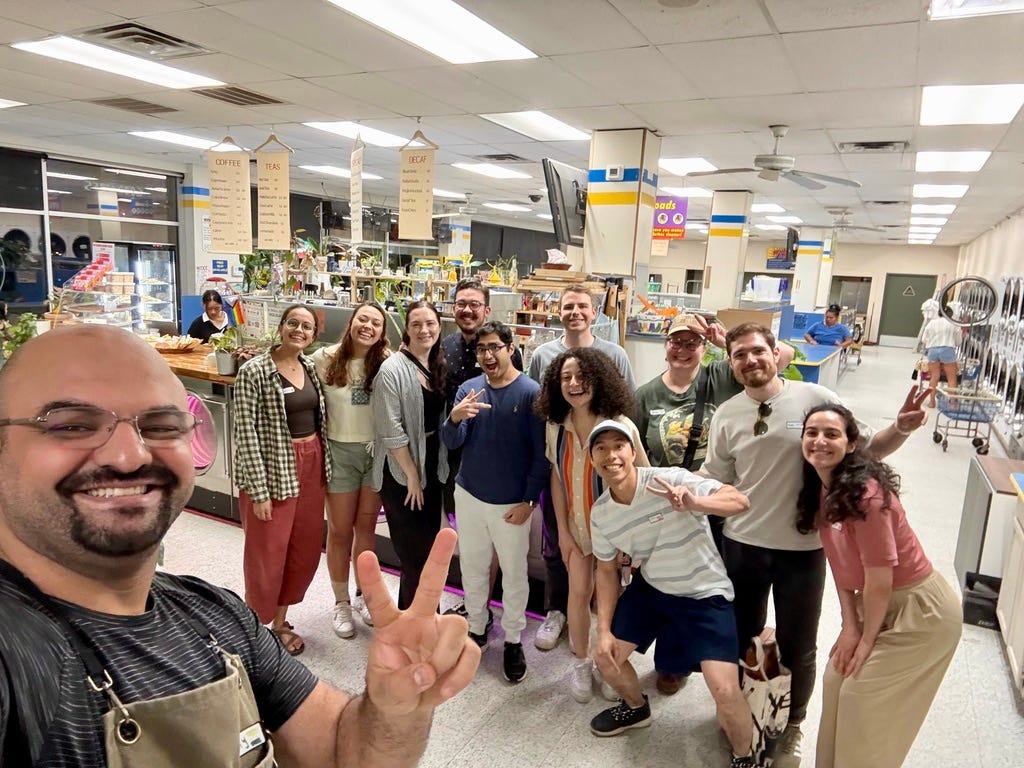
When something doesn’t exist, sometimes we just have to create it ourselves. After a late-night Google search for TCK groups in Austin and finding none, I made a Partiful invite, designed a Canva flyer, and printed posters. I asked my Kurdish friends who own a coffee shop if they’d host us. A week later, about 20 TCKs showed up.
Everyone wore stickers with their names and countries they identified with, and we played a TCK bingo (like finding people who spoke three languages, kept multiple time zones on their lock screen, or had lived in more than two countries). At the end, we hosted a plant exchange so people could share a small piece of “home.”
People came from all backgrounds: someone born in the US but raised in Thailand, someone from Korea but raised in the US, another who’s from Syria but grew up in Qatar, and me— born in Colombia, raised in Florida, living in Texas, and traveling often. It was special meeting people with entirely different histories but overlapping experiences. Most conversations circled back to one big question: What is home?
After the meetup, several people expressed appreciation for the gathering. We were all in awe of how different we all were, yet the similarities we shared. One thing’s for sure: none of us felt lonely that day.
So, What Is Home?


My friend Markian, who started the TCK club in Paris, has a Ukrainian-American mom and a French-Moroccan dad, but grew up between Spain, Hong Kong, and Russia. My friend Nellie who co-lead the group has a Danish mom and an Iranian dad, grew up in London, and now lives in Spain. One July evening this summer, the three of us sat on the grass at Place des Vosges discussing “home.”
We settled on this: home is the habits, people, landscapes, and familiarities that ground us.
While talking, I realized none of us live conventional lifestyles. We’re nomadic twenty-somethings hopping from country to country, working on digital businesses, adding layers to our identities through travel. Something unimaginable for previous generations.


Today we can see what someone’s job looks like in Tokyo, or a friend’s daily life in a small Indian village. Many of us work remotely, settle when we choose or never settle at all. Some of us are immigrants two, three, or even four times in a lifetime.
Humans have always been migratory. Maybe borders have muddied things, but changing homes is not new. Some people have deep roots in one place, while others have long roots spread across the world like a giant web.
That’s why this blog is called Long Way Home. Home changes as we do. It isn’t tied to one place, and it can shift with new experiences, people, and beliefs. Home is what we choose it to be, and it’s okay if it’s not straightforward. As long as we find grounding, peace of mind, and people who let us be our best selves, that is home.
Sometimes the path to home is a long, winding road with multiple stops. When we choose to build the spaces that feel genuine to us, connection follows. Home isn’t just a place we return to, it’s often a community we create.
Thanks for reading! If you enjoyed this piece, please give it a “heart” icon below, leave a comment, or share with a friend. This helps more people find this story!
Food is another aspect of home. We are familiar with the term “comfort foods.” Also smells and scents of the environment ~pine trees, the sea air, the desert after rain. These things can change over one’s life. Maybe we have to travel, move, relocate to find the place or places (who says there only needs to be one) that most fit us. I admire you for creating a group in Austin of other “hybrids.” Keep it going. Without asking the questions how will you discover the answers. 🌎