


Sometimes life feels like sand storm, and it takes time for dust to settle before the picture becomes clear. This piece has been on my mind for a while, and only recently did the pieces start to fall into place. Hope you enjoy, and that it comes at a good time.
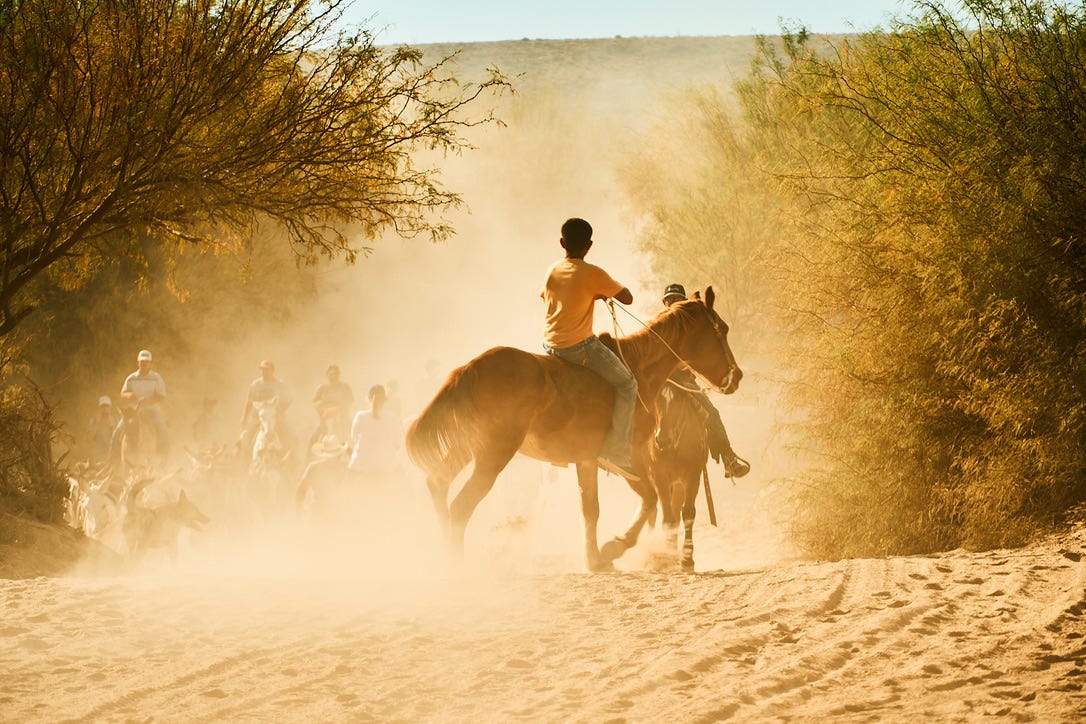
“All things flow, nothing abides. You cannot step into the same river twice, for the waters are continually flowing on. Nothing is permanent except change.” — Heraclitus
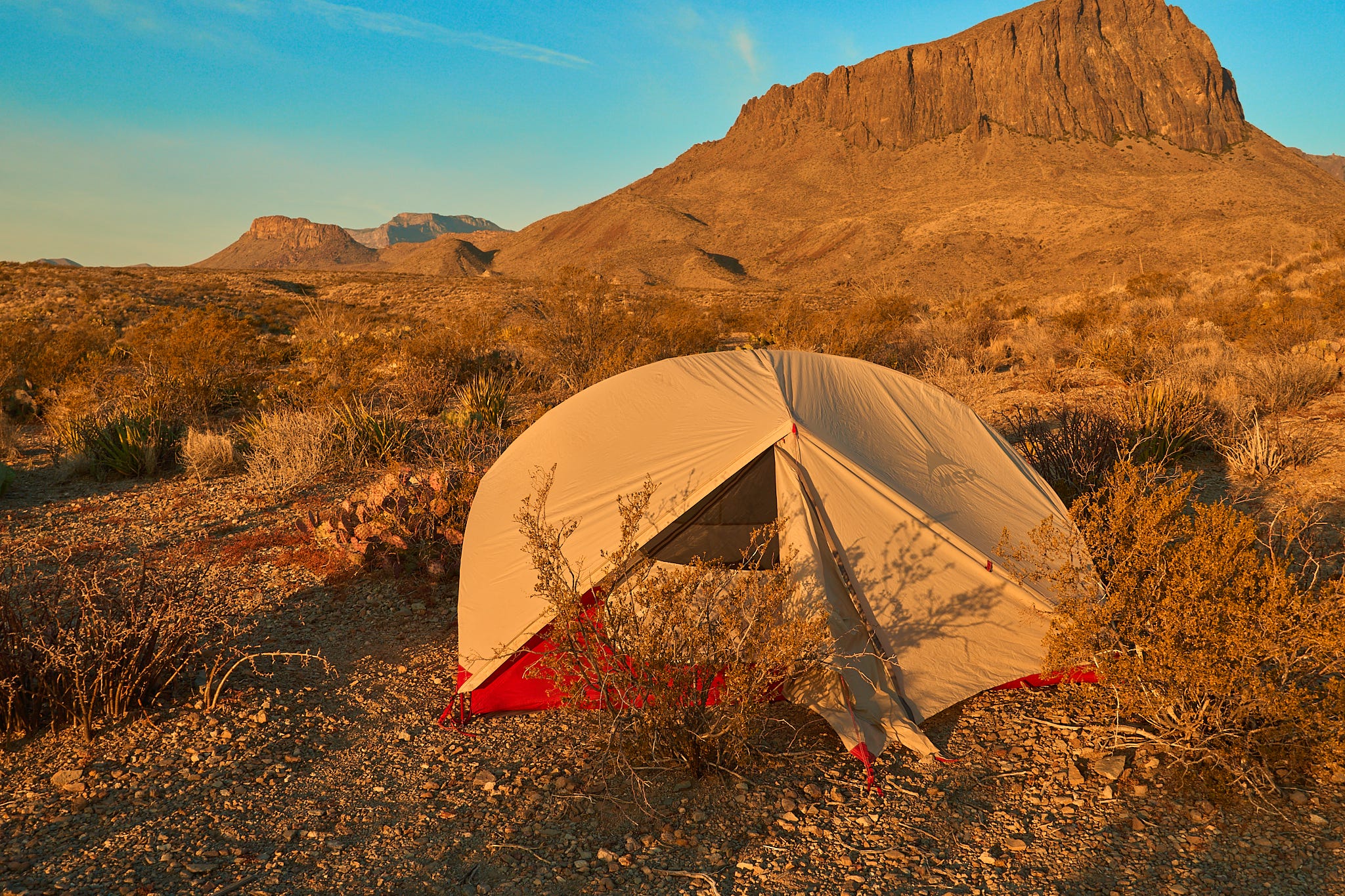
For the past nine winters, my family has the tradition of camping at Big Bend National Park during Christmas and New Year’s. Not only is this our giant “reset” button that we look forward to every year, but it’s time away from internet and reconnecting with our selves and one another.
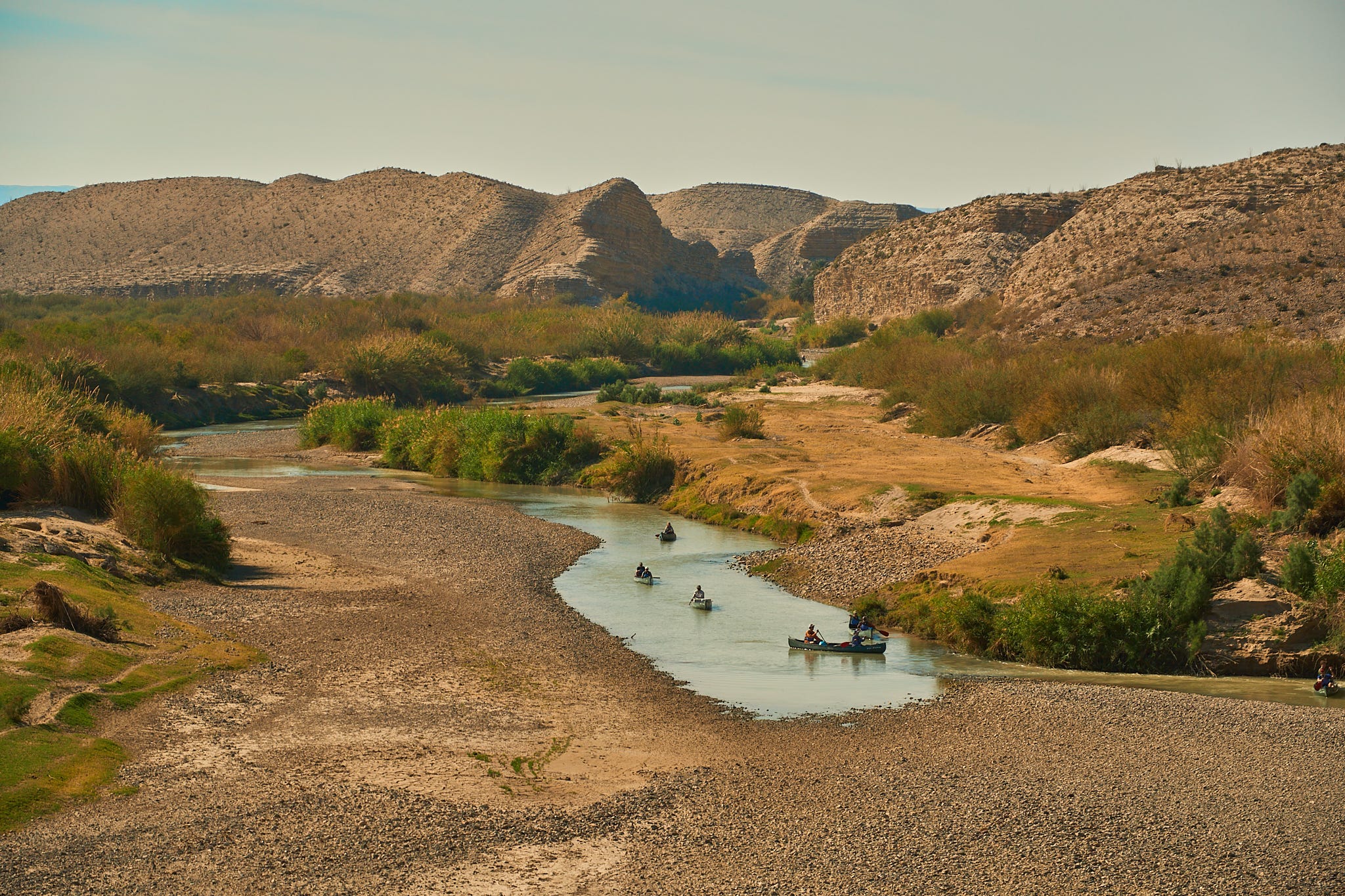
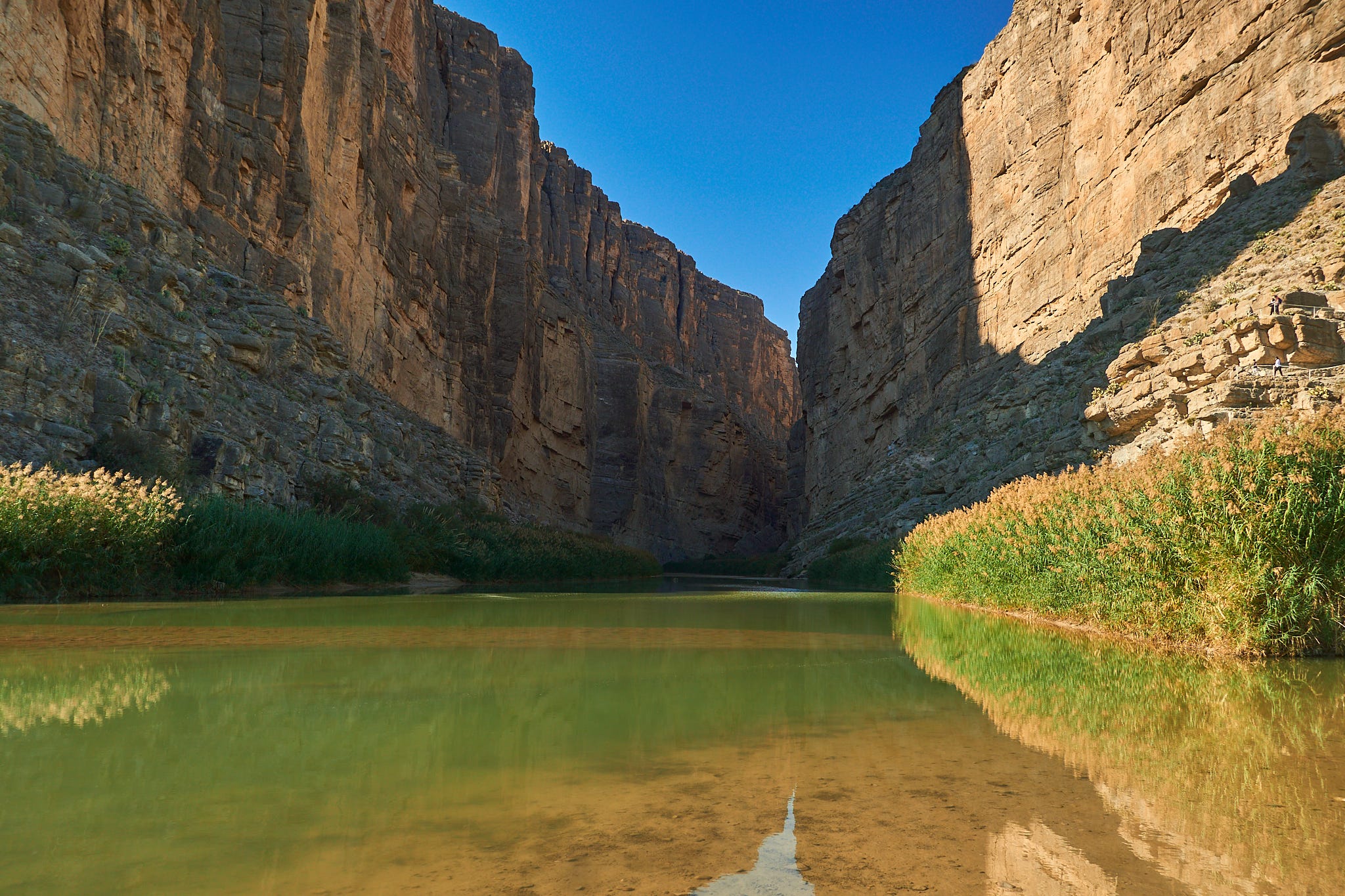
After nearly a decade of frequenting this park, we’ve become familiar with its roads, mountains, winds, and animals. But we’ve also grown used to its ever-changing parts like how some years the Rio Grande is rapid, cold, and flowing while other years it’s warm and shallow. We’ve gotten years where temperatures have dipped to below freezing and other years where it’s so hot we’d had to not go on hikes and seek shade. We’ve gotten flat tires and car trouble on backroads in the middle of no-where, got surprised by a bear, and lots more.
Not only have we witnessed different versions of the park, but the park has gotten to see different versions of us. Who I was as a 19-year old visiting the park for the first time is vastly different from the 29-year old version of me who visited the park last month.
One of the biggest gifts Big Bend has given us is the time to practice being sensible to what’s going on in the moment. Instead of synchronizing with the rhythms of phones, internet, work, and obligations, these trips grant us a routine that aligns our days with the sun, the weather, stars and moon, meals as a family, finding water, and the very basic elements of life. But this year, I learned that it’s not just the external factors we become more sensible to, but our own inner dialogue and insights.
This winter’s trip was different than usual and it had hidden unexpected lessons within it, that have set the stage for this new year and a wider perspective on life with respects to lifestyle and career decisions.
Listening to your body and the environment
The end of December for many of us can be an overwhelming time. It’s deadlines, projects, business deals, gifts, and waterfalls of emotions that come with the mental toll of a year ending and a new one beginning. It was no mystery why I got sick so frequently in December…stress. But I thought that like all the other years, the stress would disappear the moment we got into the car and started our road trip to the desert.
Contrary to my assumptions, I got sick again almost as soon as we arrived. I was happy to be there and share the time with family and friends, but when I noticed swollen lymph nodes, had fever for two nights, and a mysterious outbreak of bug bites, I knew something was off balance. There are often forces that compel us to choose a particular direction, and this was one of those times.
I’d already spent a week out in the desert, and it wasn’t just hanging out at the campsite. We did a strenuous two-day backpacking adventure across the Chisos mountains at 8K feet of elevation, had cooking chores, swam in the river, hiked every day, and even took a canoe across the Rio Grande in a boat into Mexico to drink margaritas and eat enchiladas. But there came a point where I couldn’t ignore my sickness, so I decided to leave a bit earlier than planned while my family stayed. What followed was a week at home where I got the rest I needed. Getting sick on our trip wasn’t the best experience, but it led to what my body and mind needed— rest.
Wu-Wei, the principle of non-action
For Christmas, someone gifted me a book about zen philosophy titled, It’s Ok To Not Look for the Meaning of Life. I didn’t have time to read it during our camping trip, so when I went back home to the couch, I read it in two days and it turned out to be the exact medicine I need in the moment.
One of the suggestions in the book is that in times of stress, we can lean on spiritual leaders or people who we can have unbiased discussions about life with. My friend Elie came to mind, as he is a meditation and QiGong teacher and studies eastern philosophies. I met him at a Shaolin temple almost three years ago and we’ve become good friends.
Seeking some guidance, I went to him with a question: When do we know if we need to act and take agency, or let things go with the flow and leave it up to fate?
This paradox led him to introducing me to the Taoist concept of Wu-Wei, the principle of non-action.
“Wu” means “without” or “lacking.” It refers to the absence of force and ego. “Wei” means “to do” or “to act.” It refers to deliberate or intentional action . When we put it together, Wu-Wei isn’t about doing nothing. It’s about acting without unnecessary force.
In my example of getting sick while camping, I made the conscious choice to go home early instead of forcing myself to stay and push through the sickness. It’s a paradox in the sense that an understanding what’s necessary in the moment, is more useful than pressuring ourselves to trying to force something to happen.


Imagine being a sailor at sea. Elie explained that the sailor feels the current and wind, and adapts the sails to it. Wu-Wei is about being aware of the flow of the universe and attentive to it. If it feels like forces are happening against us, it’s because we’re acting from a place of ego, trying to move in a direction against the wind because we want to reach a certain destination. The lesson is: be aware of the flow.
Not only was my sickness external, but there were internal emotions and feelings of exhaustion and frustration that had been occurring long before our camping trip as symptoms of burnout. That’s why I ultimately decided not to force things and go home. Those days spent at home recovering granted me the space to reflect and have insightful conversations with friends and mentors like Elie.
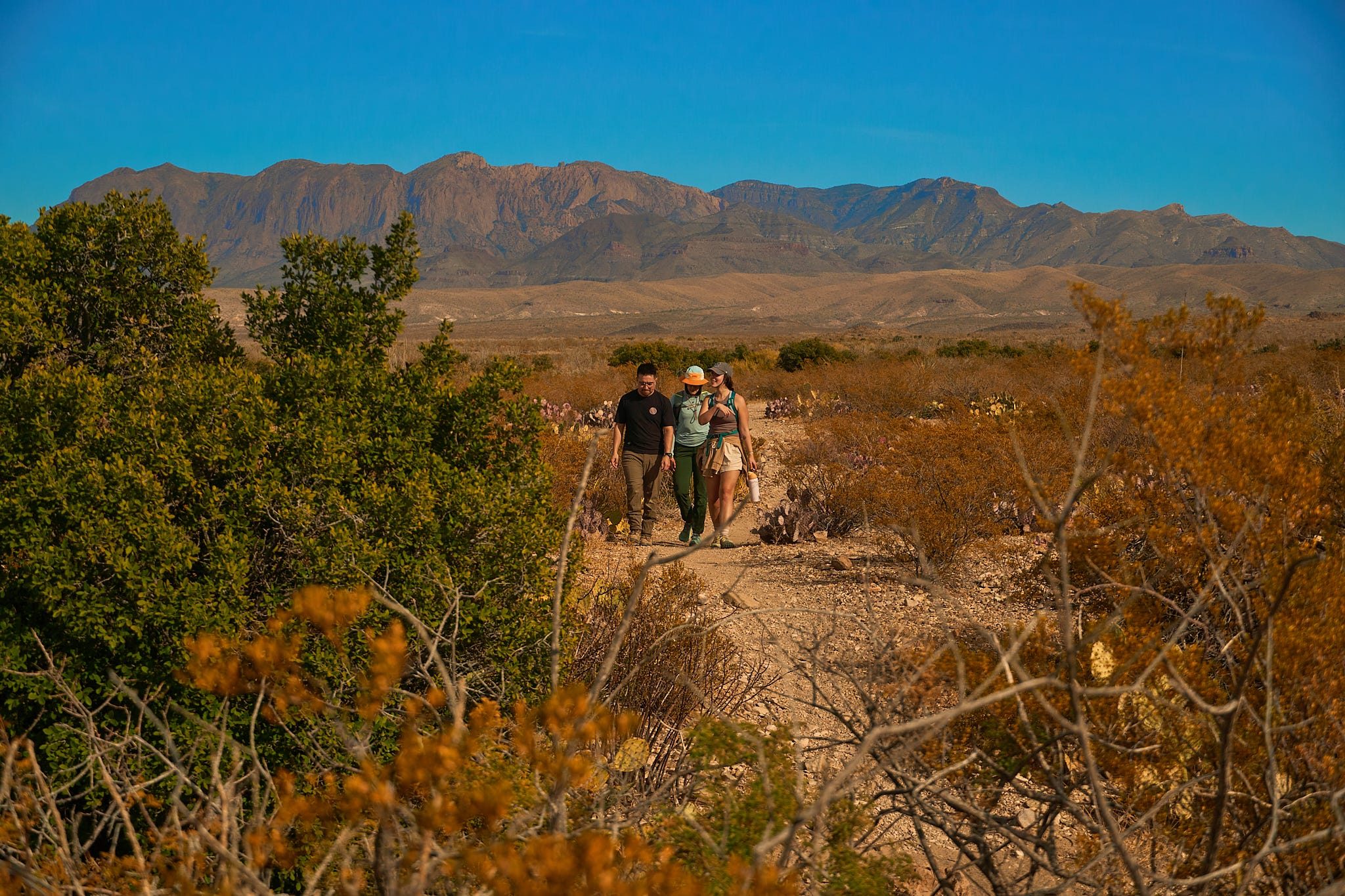
Even though I wasn’t out hiking and camping anymore, I also wasn’t at home doing nothing. Sometimes what we need is a quieter type of action.
Later that day after the conversation with Elie, I texted Moctezuma, the owner of Livra, a local bookstore. He’s become a bit like my personal book finder and said he’d help track down a specific copy of the Tao Te Ching (Ursula Le Guin translation), and he did. I picked it up at the store and opened it to a completely random page which read:
WATER AND STONE
What’s softest in the world
rushes and runs
over what’s hardest in the world.
The immaterial
enters
the impenetrable.
So I know the good in not doing.
The wordless teaching,
the profit in not doing—
not many people understand it.
I was both surprised and not surprised that the random passage in the book, was yet another signal trying to tell me something. Water doesn’t resist change or external forces, it adapts and flows. It may be soft, but it carves rock and stone. To my understanding, Wu-Wei is similar. It’s where we act from a place of stillness instead of ego or anxiety. It’s learning to read the subtle signs happening in the present moment and allowing that to inform our actions. Sometimes we need stillness and silence to spot those small signs that often go unperceived.
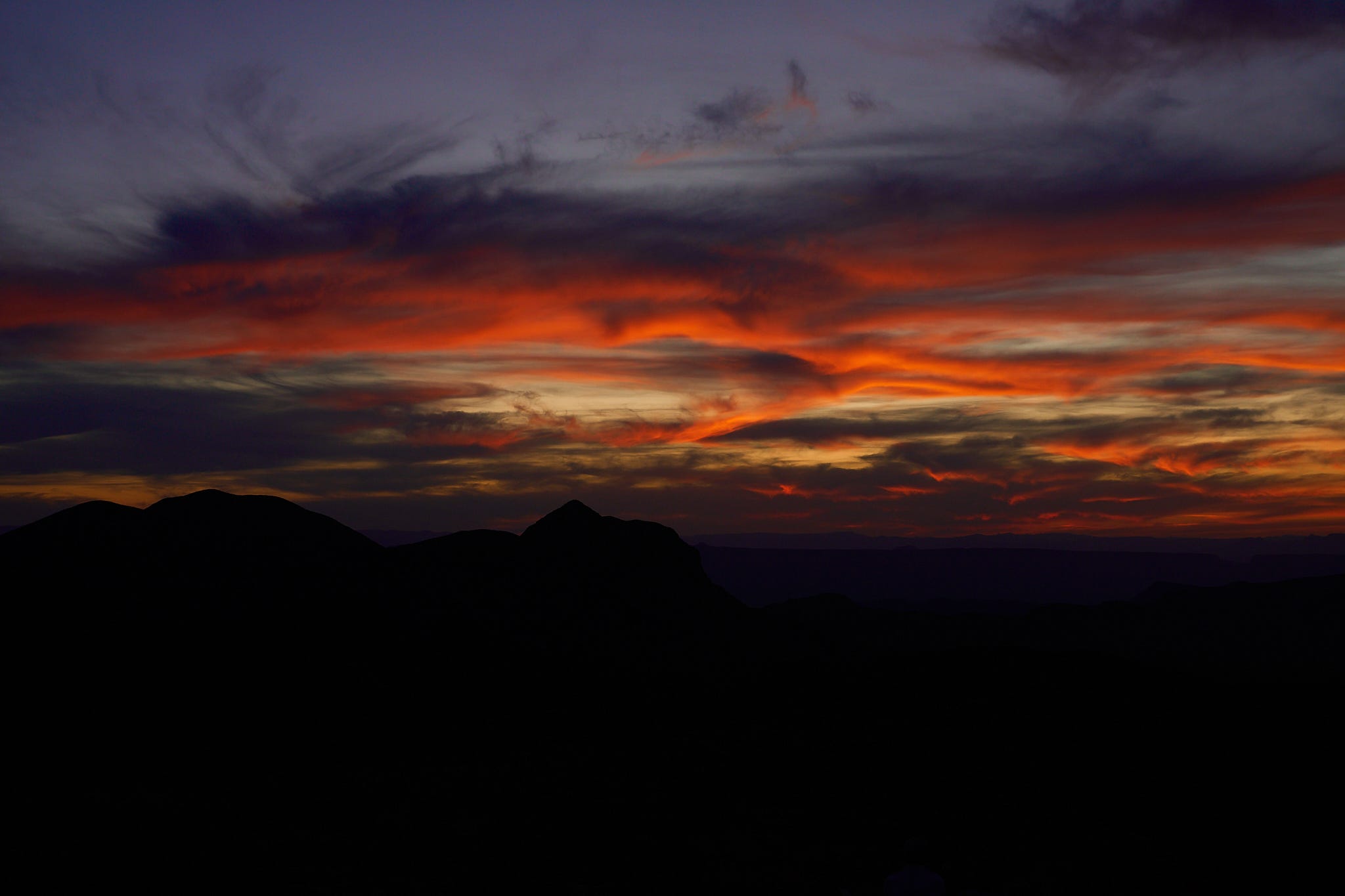
In the desert, when we camp, we learn to prepare for and adapt to thunderstorms, freezes, or heat waves. We also experience stillness away from distractions. We’re so focused on the present moment that it sharpens our view of what really matters in life. After nine years, I thought I knew Big Bend. But every visit proves it’s always changing. Even when we return to the same place, we don’t return as the same people. So, in a way, Big Bend’s unpredictability is what’s always unchanging, and each year has something to teach us. As Heraclitus said, you never step in the same river twice.
Each year, I try to take a lesson from Big Bend and put it into practice. This year, it’s meditation. During our trip, my friend Lisa and I would wake before dawn, crawl out of our tents in the dark guided by moonlight, and find a spot facing East where we’d see the scarlet red first rays of light. Curled up with blankets surrounded by prickly pear cacti, she’d play a Tibetan singing bowl, and we’d meditate for 30 minutes as the sun rose. It’s slightly different at home, but I’m proud to say I’m on day 18 of meditating every day. If the river is always changing, then learning to sit still inside it might be the most useful skill of all.
Enjoyed this story? You might like these other Big Bend stories: 33 Mile New Year’s Hike in Big Bend’s Remote Wilderness (2024) | Family’s Camping Tradition (2024) | Traveling doesn’t end when you get back home (2023) | Desert Trip… a poem (2022) |


Beautifully written with great photography. Glad to know that you are finding the benefits of meditation. Hope you are feeling better physically and mentally. 🙏